
Search engine optimization has evolved dramatically over the past decade, but backlinks remain one of the most powerful ranking signals in Google’s algorithm. However, in 2026 the rules of link building have changed significantly. Search engines are no longer impressed by the sheer number of links pointing to a website. Instead, they prioritize relevance, authority, and contextual value.
A single backlink from a highly relevant and authoritative website can now have more impact than dozens of links from unrelated sources.
Because of AI-driven algorithms, semantic search, and Google’s emphasis on E-E-A-T (Experience, Expertise, Authority, Trustworthiness), websites must focus on earning backlinks that make logical sense within their niche.
This guide will walk you through everything you need to know about finding relevant backlinks in 2026, including:
- What relevant backlinks are
- Why they matter more than ever
- How search engines evaluate backlinks today
- The best strategies for finding backlink opportunities
- Tools professionals use for backlink research
- Common mistakes to avoid
- Future trends in link building
By the end of this guide, you’ll have a complete roadmap for building a strong backlink profile that improves your rankings and authority.
What Are Relevant Backlinks?
A relevant backlink is a hyperlink from another website that is closely related to your niche, topic, or industry.
Unlike random backlinks, relevant backlinks come from websites or content that naturally connect to the subject of your page.
For example:
- A digital marketing blog linking to an SEO tool website
- A fitness blog linking to a workout routine guide
- A technology news site linking to a software review article
- A finance website linking to an investment strategy article
In each case, the linking content and the destination page share a clear topical relationship.
Search engines consider these links valuable because they help users discover useful information within the same subject area.
Relevant backlinks signal that your website is a trusted source within a specific field.
Why Relevant Backlinks Matter More in 2026
Backlinks have always been important, but search engines now evaluate them more intelligently than ever before, which is why many businesses work with SaaS SEO agencies to build high-quality, relevant links that improve authority and search rankings.
Several factors explain why relevance has become the most important aspect of backlinks.
1. Google Understands Context Better
Google’s algorithm now uses advanced Natural Language Processing (NLP) to understand the meaning and context of content.
When a website links to you, Google analyzes:
- The topic of the linking page
- The surrounding text around the link
- The relationship between both websites
- The anchor text used
If the backlink appears in a relevant context, it passes stronger SEO signals.
2. Topical Authority Is Critical
Google increasingly prioritizes websites that demonstrate topical authority.
Topical authority means your website consistently publishes high-quality content about a specific subject.
It signals expertise to both users and search engines, helping improve visibility and rankings over time. To reinforce this authority visually and functionally, website design services ensure your content is presented in an engaging, user-friendly way that enhances credibility and user experience.
Relevant backlinks help strengthen this authority because they show that other experts in the same field trust your content.
Natural backlinks help strengthen this authority because they show that other experts in the same field trust your content.
For example, if multiple cybersecurity blogs link to your security guide, Google will view your site as an authority on cybersecurity.
3. Spam Detection Has Improved
Years ago, websites could manipulate rankings by buying thousands of low-quality backlinks.
In 2026, Google’s algorithms easily detect:
- Link farms
- Private Blog Networks (PBNs)
- Automated link building tools
- Paid spam links
Irrelevant backlinks can now harm your SEO instead of helping it.
4. Relevant Backlinks Bring Real Traffic
High-quality backlinks don’t just improve rankings — they also drive targeted traffic.
For example, if a marketing blog links to your SEO guide, readers interested in marketing may click the link and visit your website.
This leads to:
- More qualified visitors
- Better engagement
- Higher conversion rates
How Search Engines Evaluate Backlinks Today
Understanding how search engines evaluate backlinks will help you identify the most valuable opportunities.
Here are the main factors that influence backlink value.
1. Topical Relevance
Search engines examine whether the linking site covers topics related to yours.
For example:
Strong relevance:
- Marketing blog → SEO website
Weak relevance:
- Cooking blog → SEO website
2. Domain Authority
Links from trusted and established websites carry more weight.
High authority websites usually have:
- Strong backlink profiles
- High organic traffic
- Trusted reputations
Popular authority metrics include:
- Domain Rating (Ahrefs)
- Domain Authority (Moz)
- Authority Score (SEMrush)
3. Contextual Placement
Links placed inside the content of an article are more valuable than links in:
- Footers
- Sidebars
- Comment sections
Contextual links show that the backlink is genuinely useful for readers.
4. Anchor Text Relevance
Anchor text is the clickable text of a link.
Search engines analyze anchor text to understand the relationship between pages.
Example:
Good anchor text:
- “Complete SEO guide”
Bad anchor text:
- “Click here”
5. Website Trustworthiness
Search engines evaluate whether a website appears trustworthy.
Trusted websites usually have:
- Professional design
- High-quality content
- Natural backlink profiles
- Real traffic
Best Strategies for Finding Relevant Backlinks in 2026
Now let’s explore the most effective strategies professionals use to find relevant backlink opportunities.
1. Competitor Backlink Analysis
Analyzing competitor backlinks is one of the most effective ways to discover link opportunities.
Your competitors already rank for your keywords, so their backlinks reveal websites willing to link to similar content.
Step-by-step process
- Identify competitors ranking for your target keywords.
- Use an SEO tool to analyze their backlinks.
- Export the backlink list.
- Filter out low-quality links.
- Reach out to relevant websites.
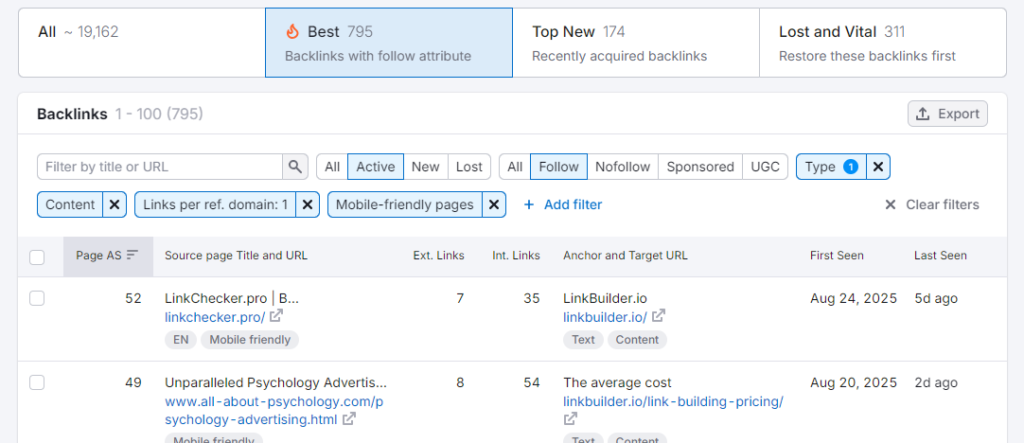
Tools for competitor research
- Ahrefs
- SEMrush
- Moz
- SE Ranking
- Majestic
This method quickly reveals hundreds of potential backlink sources.
2. Google Search Operators
Google search operators help you discover websites that accept guest posts or link to resources.
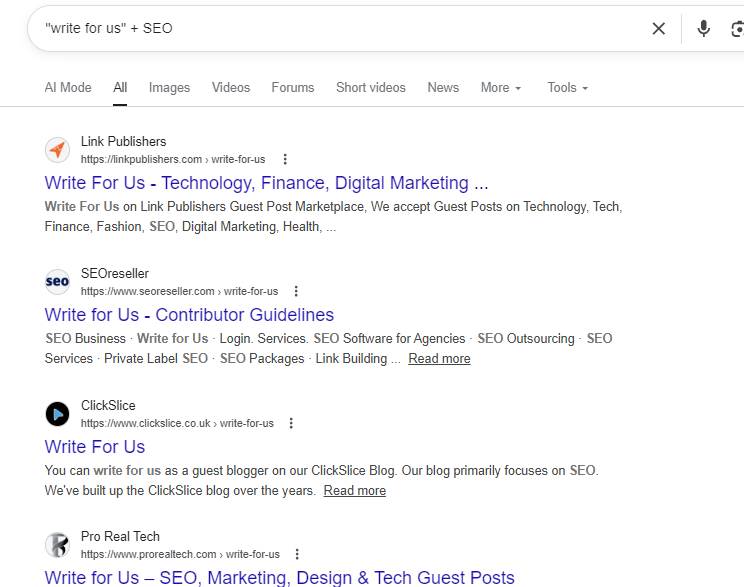
Examples:
"write for us" + SEO
"guest post" + marketing
intitle:resources + SEO
best SEO blogs
These searches help identify:
- Guest blogging opportunities
- Resource pages
- Industry blogs
3. Resource Page Link Building
Many websites maintain resource pages listing helpful tools and articles.
These pages often link to valuable content within a niche.
Examples include:
- “Best SEO tools”
- “Top marketing resources”
- “Best blogging guides”
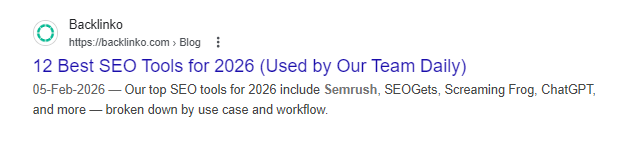
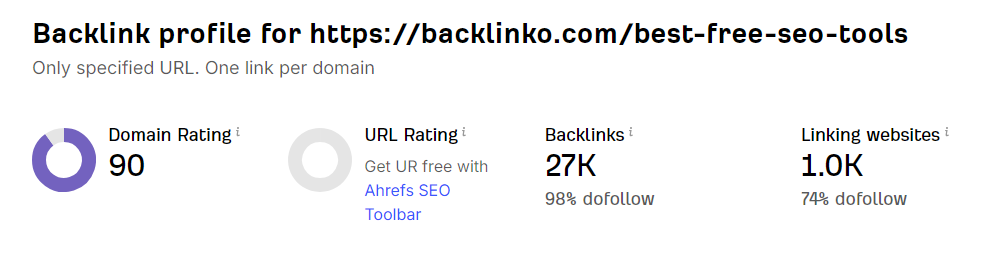
If your content provides value, you can request inclusion on these pages.
4. Guest Posting
Guest posting remains one of the most effective ways to earn relevant backlinks.
This involves writing articles for websites within your niche.
Benefits include:
- Backlinks
- Brand exposure
- Industry relationships
- Referral traffic
To succeed with guest posting:
- Target reputable websites
- Pitch unique content ideas
- Provide high-quality articles
5. Broken Link Building
Broken link building is a powerful outreach strategy.
It involves replacing broken links with your own content.
Process
- Find broken links on relevant websites.
- Create content similar to the missing resource.
- Contact the website owner.
- Suggest replacing the broken link with your article.
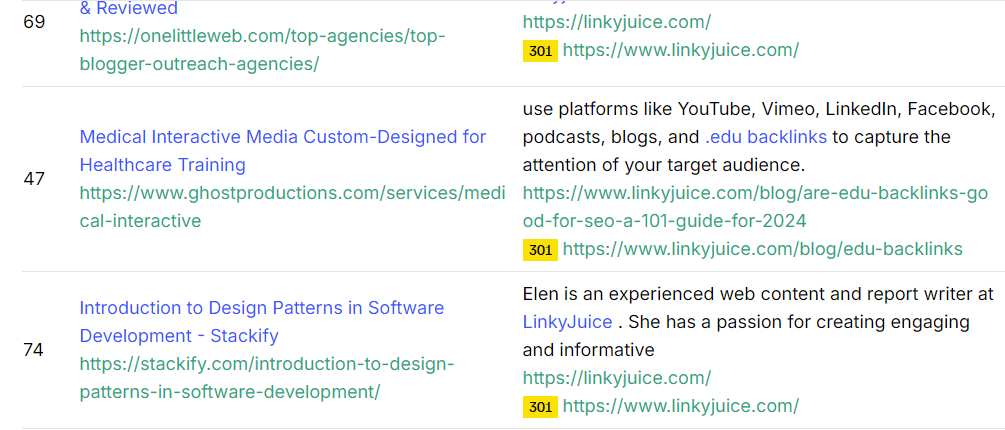
Tools for finding broken links include:
- Ahrefs
- Screaming Frog
- Check My Links
6. Creating Linkable Content
Some types of content naturally attract backlinks.
These include:
- In-depth guides
- Industry research
- Data studies
- Infographics
- Original statistics
For example, publishing “SEO Statistics for 2026” may attract backlinks from multiple marketing blogs.
7. Digital PR
Digital PR involves promoting your content to journalists and media outlets.
Platforms like HARO (Help a Reporter Out) connect experts with journalists looking for sources.
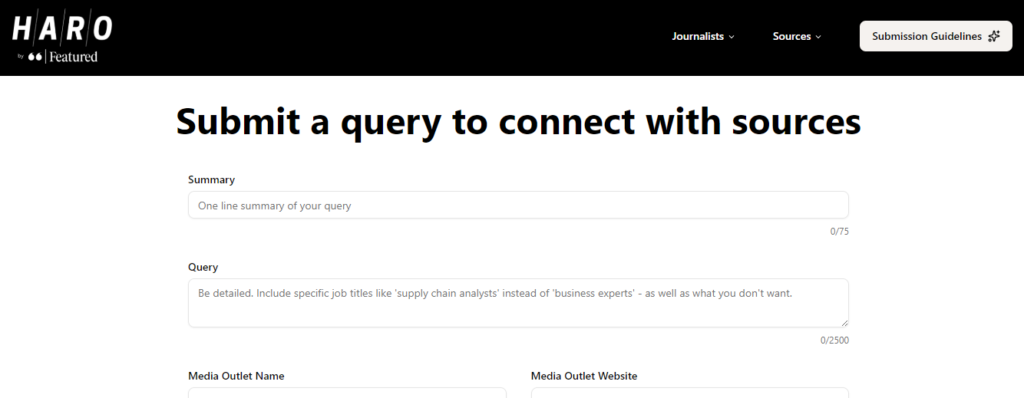
If a journalist quotes you in an article, they may link to your website.
These backlinks often come from high-authority news sites.
8. Skyscraper Technique
The skyscraper technique involves improving popular content.
Steps
- Find high-performing content in your niche.
- Create a more comprehensive version.
- Reach out to websites linking to the original article.
If your content is better, they may link to you instead.
9. Build Industry Relationships
Networking plays a major role in earning backlinks.
Ways to build relationships include:
- Interviews
- Podcast appearances
- Expert roundups
- Collaborations
These relationships often lead to natural backlinks over time.
10. Monitor Brand Mentions
Sometimes websites mention your brand without linking to you.
You can convert these mentions into backlinks.
Tools for monitoring mentions include:
- Google Alerts
- Ahrefs Alerts
- Brand24
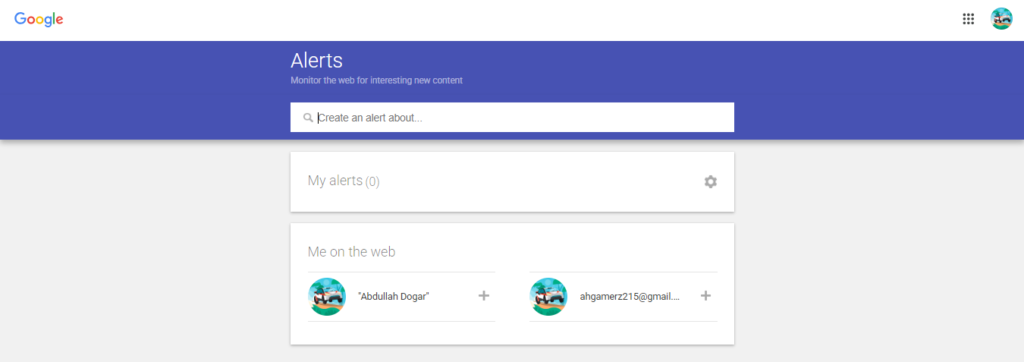
When you find an unlinked mention, politely ask the website owner to add a link.
11. Use Content Gap Analysis
Content gap analysis helps you discover topics your competitors have backlinks for but you haven’t covered yet.
How it works
- Analyze competitor websites using SEO tools.
- Identify pages with many backlinks.
- Look for topics you haven’t covered.
- Create better content on those topics.
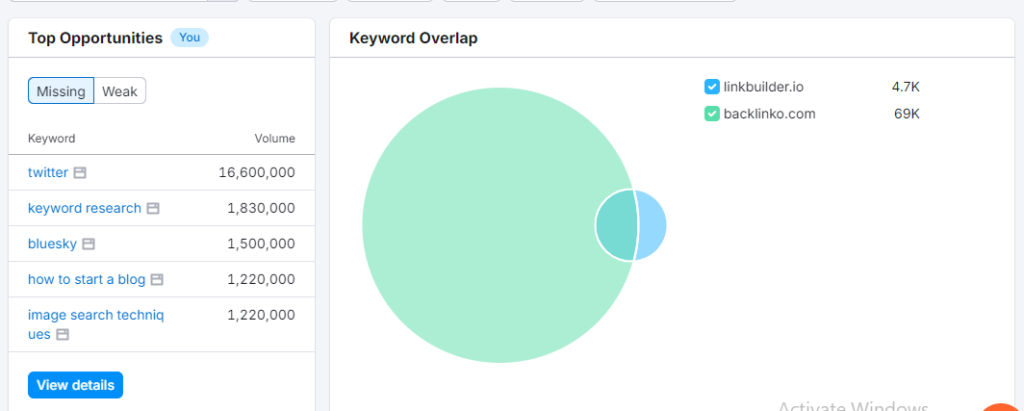
Once you publish improved content, you can reach out to websites linking to competitor articles and suggest linking to your updated resource.
Tools for content gap analysis
- Ahrefs Content Gap Tool
- SEMrush Keyword Gap Tool
- Surfer SEO
- Ubersuggest
This strategy works because websites linking to similar content are already interested in your topic.
12. Link Reclamation
Link reclamation is the process of recovering backlinks you lost or should have received.
There are three main types.
1. Lost Backlinks
Sometimes websites remove or break links pointing to your site.
You can find these using tools like:
- Ahrefs Lost Backlinks
- SEMrush Backlink Audit
Then contact the website owner and ask them to restore the link.
2. Unlinked Brand Mentions
Some websites mention your brand without linking to it.
You can request a link because they are already referencing your content.
3. Image Attribution Links
If other websites use your images, infographics, or charts, you can ask them to credit your site with a backlink.
13. Publish Original Research and Data
One of the strongest backlink magnets is original data.
Websites frequently link to statistics, surveys, and research reports.
Examples of link-worthy research include:
- Industry surveys
- Case studies
- Market research
- Trend reports
- Data analysis
For example:
“SEO Trends Report 2026”

Articles like this can earn backlinks from:
- bloggers
- journalists
- marketers
- research websites
14. Create Free Tools
Free tools attract a large number of backlinks because they provide ongoing value.
Examples include:
- SEO calculators
- Keyword difficulty tools
- ROI calculators
- Website graders
- Marketing templates
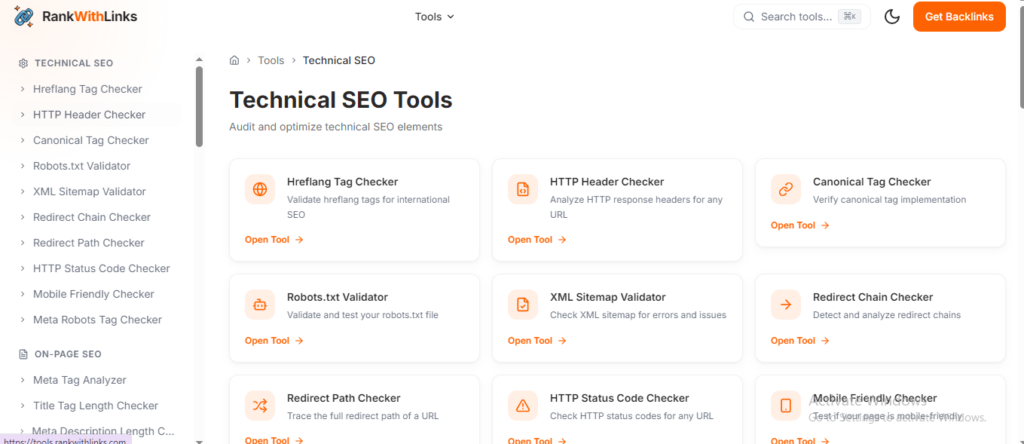
For example, many SEO websites earn thousands of backlinks from free tools like keyword analyzers.
Even simple tools can attract links if they solve a real problem.
You may also like “How Building a Free Tool Helped a New Site Rank on Google“
15. Podcast Guest Appearances
Podcasts are an underrated backlink opportunity.
When you appear as a guest on a podcast, the host often includes a backlink in the episode description.
Benefits include:
- backlinks from podcast websites
- increased brand exposure
- networking opportunities
You can find podcasts in your niche by searching:
SEO podcast
marketing podcast guest
technology podcast interview
16. Expert Roundup Articles
Expert roundup articles gather insights from multiple experts in an industry.
Example:
“20 SEO Experts Share Their Best Link Building Tips”
Each expert featured in the article is likely to:
- share the article
- link to it
- promote it on social media
This increases both backlinks and traffic.
17. Reverse Image Search for Backlinks
If you create:
- infographics
- charts
- diagrams
- original images
Other websites may reuse them.
You can use Google Reverse Image Search to find where your images are used.
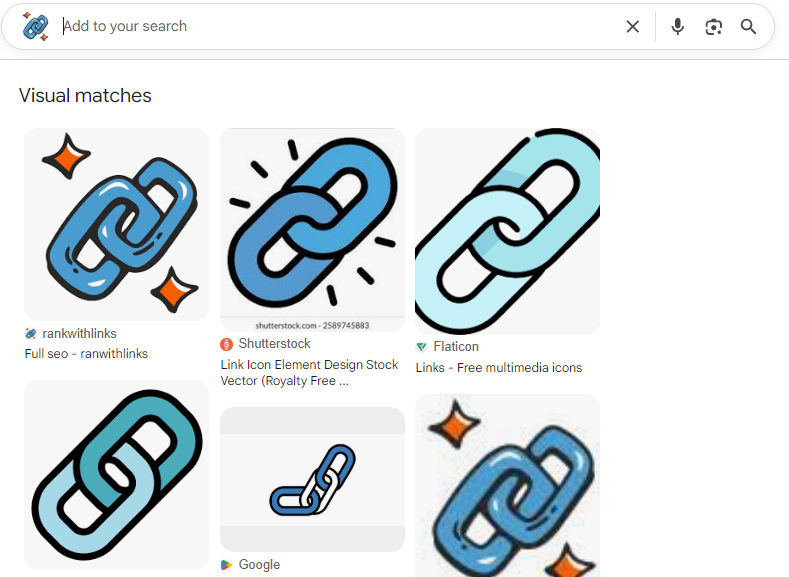
If the website doesn’t credit you, politely request a backlink.
18. Scholarship Link Building
Some companies create scholarships for students.
Universities and educational websites often link to scholarship pages.
Since university domains are highly authoritative, these backlinks can significantly strengthen your SEO.
However, this strategy should be done genuinely to avoid appearing manipulative.
19. Community Participation
Participating in niche communities can help you discover backlink opportunities.
Examples include:
- Reddit communities
- industry forums
- Slack groups
- Discord communities
- LinkedIn groups
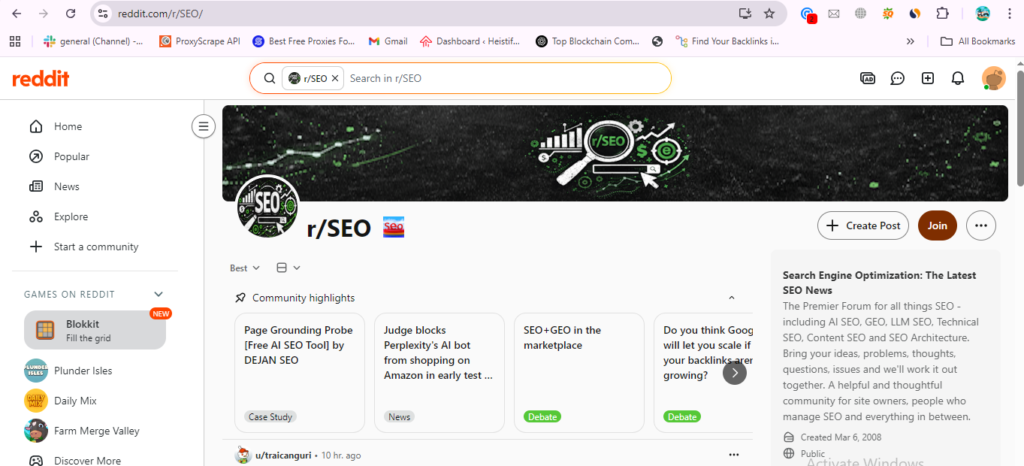
By contributing valuable insights and sharing resources, you may naturally earn backlinks from other members.
20. Content Partnerships
Collaborating with other businesses or creators can generate backlinks for both parties.
Examples include:
- co-written articles
- collaborative guides
- joint research reports
- webinars
Partnership content often gets promoted by both audiences, increasing backlink opportunities.
21. Updating and Republishing Old Content
Updating older articles can help attract new backlinks.
Steps include:
- Identify outdated articles on your website.
- Add updated data and examples.
- Improve content depth.
- Republish the article.
Then promote the updated article to websites that linked to the original topic.
Updated content often earns more backlinks because it becomes the most current resource available.
22. Build Topic Clusters
Topic clusters strengthen topical authority and increase internal linking.
A cluster includes:
- a pillar page (main topic)
- multiple supporting articles
Example cluster:
Pillar Page:
Complete SEO Guide
Supporting Articles:
- Keyword research guide
- Technical SEO guide
- Link building strategies
- On-page SEO checklist
When other websites link to one article in the cluster, it strengthens the entire content ecosystem.
23. Create Shareable Visual Content
Visual content earns backlinks because it is easy to share.
Examples include:
- infographics
- charts
- data visualizations
- comparison tables
- workflow diagrams
Websites often embed visual content while linking to the source.
24. Leverage Social Proof
When authoritative people share your content, it increases the chance of backlinks.
Ways to gain social proof include:
- influencer collaborations
- expert quotes
- industry interviews
- testimonials
- Using an influencer marketing platform can help you gain social proof through
These signals encourage others to reference your content.
25. Monitor Competitor Mentions
Sometimes journalists or bloggers mention your competitors in articles.
You can monitor these mentions using tools like:
- Google Alerts
- Ahrefs Alerts
- BuzzSumo
If the article covers a topic your content addresses better, you can pitch your article as an additional resource.
Tools for Finding Relevant Backlinks
SEO professionals rely on specialized tools to research backlinks.
Popular tools include:
Ahrefs
One of the best tools for backlink analysis and competitor research.
SEMrush
Provides backlink audits, competitor analysis, and link-building tools.
Moz
Offers domain authority metrics and link research features.
Majestic
Specializes in backlink data and trust metrics.
BuzzSumo
Helps identify popular content and outreach opportunities.
Common Backlink Mistakes to Avoid
Even experienced marketers sometimes make mistakes when building backlinks.
Avoid these common errors.
Buying Cheap Links
Low-cost backlink packages often come from spammy websites.
These links may lead to Google penalties.
Ignoring Relevance
Links from unrelated websites provide little value.
Always prioritize relevance over quantity.
Over-Optimizing Anchor Text
Using the same keyword repeatedly as anchor text can trigger spam filters.
Use natural variations.
Focusing Only on Link Quantity
Quality matters far more than quantity.
A few high-quality backlinks can outperform hundreds of weak ones.
The Future of Backlinks
Backlinks will remain a core ranking factor, but the way they are evaluated will continue evolving.
Future trends include:
- AI-powered search algorithms
- Entity-based SEO
- Greater emphasis on E-E-A-T
- Brand authority signals
This means SEO strategies must focus on earning links naturally through valuable content and genuine relationships.
Conclusion
Finding relevant backlinks in 2026 requires a strategic and thoughtful approach.
Rather than chasing thousands of random links, successful websites focus on building authoritative, niche-relevant backlinks that genuinely help users.
By using strategies like competitor analysis, guest posting, resource link building, digital PR, and creating valuable content, you can build a powerful backlink profile that improves both rankings and credibility.
SEO continues to evolve, but one thing remains clear:
Relevant backlinks from trusted websites are one of the strongest signals of authority on the internet.
Invest in high-quality content, build meaningful relationships, and the right backlinks will follow.

Abdullah Zulfiqar is Co-founder and Client Success Manager at RankWithLinks, an SEO agency helping businesses grow online. He specializes in client relations and SEO strategy, driving measurable results and maximizing ROI through effective link-building and digital marketing solutions.