How to build backlinks for a local dental clinic in the UK, step by step
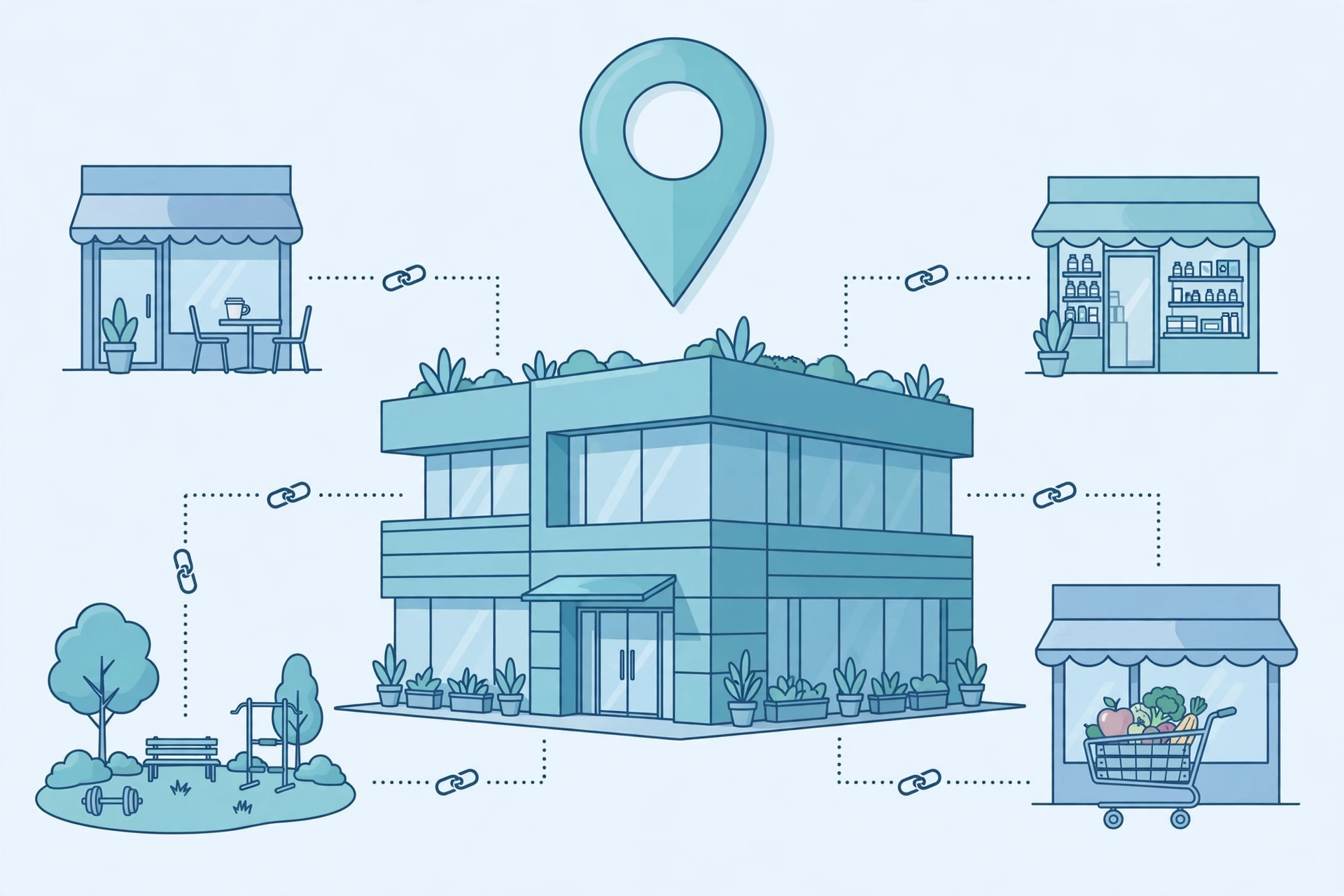
Most new patients for a dental clinic live close by. They search for a dentist near home or work, check a few results, and call the practice that looks most trusted. That is why this guide on how to build backlinks for a local dental clinic in the UK, step by step, starts with local trust, not with chasing hundreds of links from anywhere in the world.
A backlink is a link from another website to your clinic website. For a local clinic, the best links usually come from places patients already trust: your Google Business Profile, local directories, local news, schools, sports clubs and suppliers. One relevant local link is worth far more than dozens of unrelated links that no patient will ever see. You do not need a large budget. You need correct details, a short list of good local targets, useful content, and a polite way to ask.
Why local backlinks matter for a dental clinic
BrightLocal, citing a Google official speaking in 2018, reports that 46% of Google searches have local intent. Close to half of searches are looking for something nearby. A clinic that is hard to find locally will lose patients to a practice that is easy to find, even if its dentistry is just as good.
Links help in two ways. They help search engines see your clinic as a real, established local business, and they send real people to your site. A link on a local sports club page or a trusted health directory can bring a patient who now has your name in mind.
Reviews work alongside links. BrightLocal’s 2025 Local Consumer Review Survey found that 83% of consumers use Google to find local business reviews, and 74% check at least two review platforms before deciding. Links alone will not fix a weak profile, and a strong profile will not reach its full potential without links and citations pointing to it.
| Measure | Figure | Source |
|---|---|---|
| Google searches with local intent | 46% | BrightLocal, citing Google (2018) |
| Consumers who use Google for local business reviews | 83% | BrightLocal Local Consumer Review Survey 2025 |
| Consumers who check at least two review platforms | 74% | BrightLocal Local Consumer Review Survey 2025 |
| NHS courses of treatment in England in 2024/25 | 35 million | NHS Business Services Authority 2024/25 |
| Adults seen by an NHS dentist in England in 24 months to March 2025 | 18 million (40% of adults) | NHS Business Services Authority 2024/25 |
Ahrefs studied one million high-volume US keywords in January 2025 and found a 0.255 correlation between the number of referring domains and rankings, with links mattering more for local queries. Correlation is not proof that a link causes a ranking, but it fits what local clinics see in practice: a steady set of relevant, local referring domains supports visibility, while a sudden pile of unrelated links does not.
Step 1: Get your Google Business Profile right first
Before you ask anyone for a link, make sure your own profile is complete and correct. It is often the first thing a patient sees, and it is the page many directories will copy details from.
Check these items, one by one: practice name exactly as it appears on your door and website; street address, town and postcode, with no extra keywords added to the name; one phone number patients can reach during opening hours; opening hours, including early, late or Saturday hours; the correct primary category, such as “Dentist”; a short description written for patients; and photos of the practice and team, with patient permission where needed.
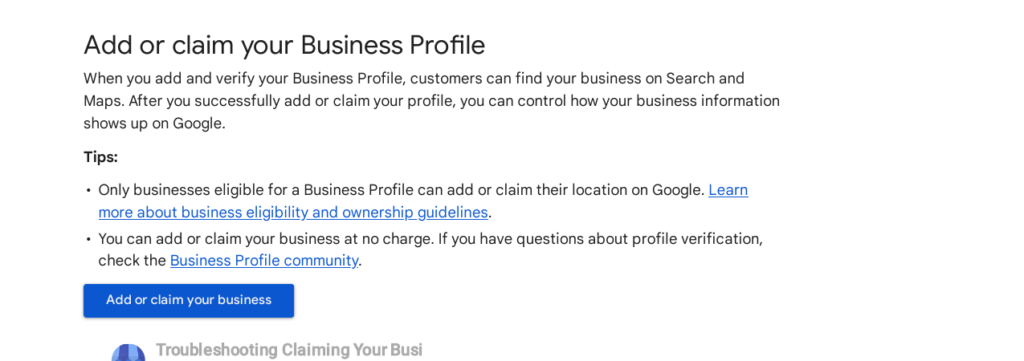
If you have not claimed the profile yet, Google’s own Business Profile help pages explain how to create and verify it. An unverified or half-finished profile sends a weak signal, and other sites may show old details instead.
Step 2: Check the links you already have
Many clinics already have links they have forgotten: a supplier page, a local business association, an old directory listing, or a news story about an opening or charity event. Find them before you build new ones.
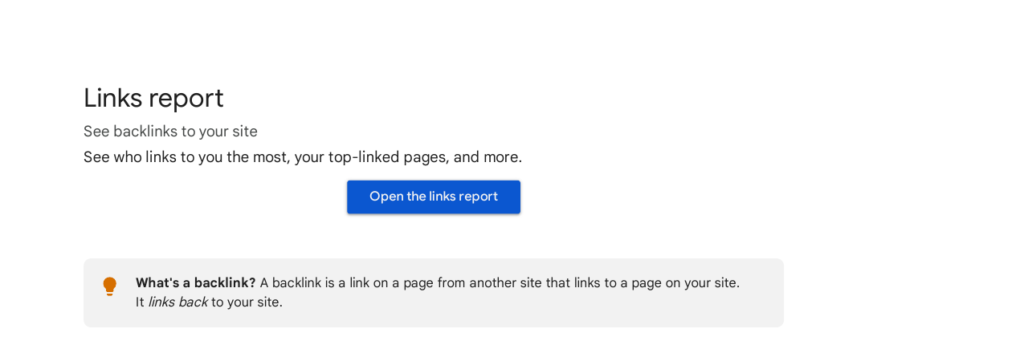
Use Google Search Console, which is free. In the Links report you can see your top linked pages, the sites that link to you most, and the anchor text they use. Look for links to old pages that no longer exist, links with the wrong practice name or town, and links from sites that look spammy or unrelated.
Fix what you can. Redirect old pages to the closest current page, and ask a directory to correct a wrong phone number. Leave weak links alone unless they are clearly harmful. If you find a pattern of paid or manipulative links from the past, Google’s link spam guidance and the disavow tool are the honest routes, and they should be used with care, not as routine clean-up.
Step 3: Fix your name, address and phone number everywhere
For a local clinic, consistency matters as much as links. If your practice is “High Street Dental Practice” on your website, “High St Dental” on one directory and “Highstreet Dental Practice” on another, search engines and patients have to guess which one is right.
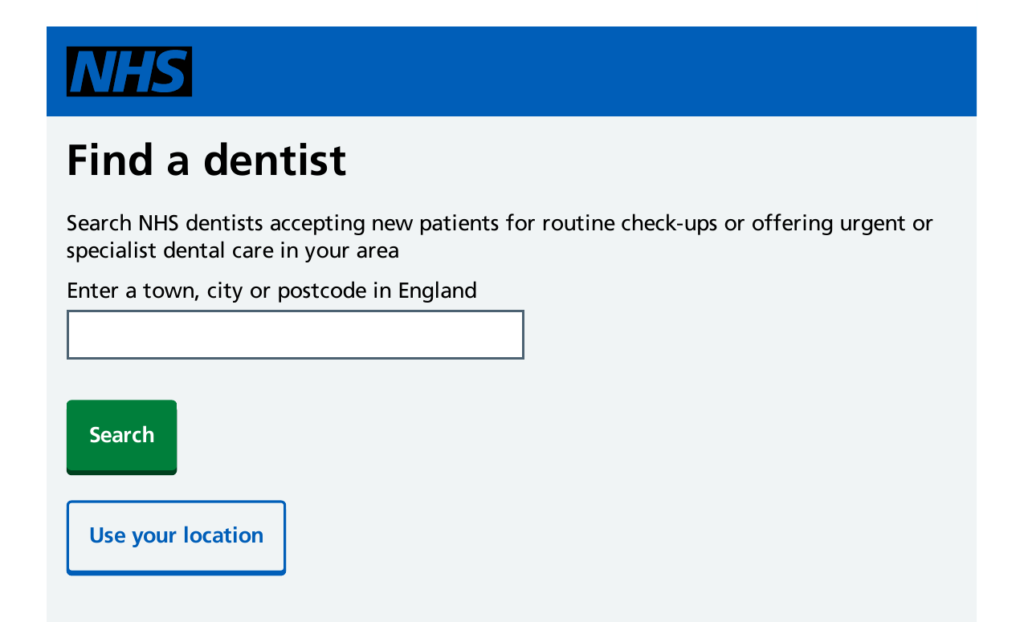
Make a single master record with your exact name, address and phone number, plus your website address. Then work through the core places a UK patient might check: NHS Find a dentist, if you offer NHS care, with availability stated honestly; Yell, ThomsonLocal and other established UK directories, but only where you can keep the listing updated; your local chamber of commerce, if you are a member; and local council or community pages that list local health services.
Do not pay for dozens of directory submissions at once. A small set of accurate, complete listings beats a long list of thin, duplicated ones. Each time you move premises, change numbers or change your practice name, update every listing in the same week.
Step 4: Earn links from local partners and community pages
This is the step most clinics skip, and it is where the best local links come from. Think about the organisations you already work with or support, and ask whether a link makes sense for their visitors too.
Good starting points include local sports clubs, schools and charities you sponsor; local suppliers, such as dental laboratories, if they list partner practices; local employers with staff wellbeing pages; community events, such as school fairs or charity runs; and local news sites, when you have a real story, such as a new opening, a charity day, or oral health advice for children.
When you ask, keep it short and specific. Say who you are, why a link would help their readers, and which page you would like them to link to. Offer a one-sentence description and the correct practice name. Do not offer payment for a link, and do not ask a partner to hide a sponsorship. A clear, honest sponsorship note is both safer and more believable.
Step 5: Publish one useful local guide patients will link to
Local organisations link to pages that help their readers. A generic services page rarely earns that. A short, honest guide often does.
Useful ideas include what to do for toothache out of hours in your town, including NHS 111 advice and when to seek urgent care; how to find an NHS dentist taking new patients, explained honestly; a plain-English guide to check-ups, fillings and gum care for nervous patients; and oral health advice for children, including brushing, fluoride and first dental visits.
Write for patients first, and state clearly that the guide is general information, not a substitute for personal dental advice. Add town names only where they are natural, such as in the out-of-hours guide. Then tell the local partners from Step 4 about the guide, and ask whether it would help their readers. One good guide, shared with ten relevant local sites, beats ten thin blog posts that no one shares.
Step 6: Turn good care into reviews, and track progress
Reviews are not backlinks, but they support the same goal: a patient who trusts you. Ask happy patients, in person, whether they would leave a Google review, and make it easy with a short link or QR code at reception. Never offer a reward for a positive review or write reviews yourself. Reply to reviews, including critical ones, in a calm and professional way, without sharing patient details.
If you work with a local SEO agency, ask them to report on links, listings and reviews together. For example, our local SEO services cover local visibility as a whole, rather than treating a link as a number on its own.
Set a simple monthly routine: check Google Search Console for new and lost links; check your Google Business Profile for views, calls and direction requests; check that your top directories still show the right details; and pick one new local target for next month. Aim for a small number of good links each month, not a large number at once. Do not buy links in bulk, use private blog networks, copy another clinic’s content with a changed town name, or list your clinic where you do not practise.
FAQ
How long does it take to build backlinks for a dental clinic?
Allow at least three to six months before you judge the work. Fixing your profile and listings can be done in a few weeks, but earning links from partners depends on their timescales. Judge progress by new relevant local links, corrected listings and profile actions, not by a daily ranking check.
How many backlinks does a local dental clinic need?
There is no fixed number. A clinic in a small town may do well with a few dozen strong local links, while a clinic in a large city will need more, plus stronger content and reviews. Focus on relevance and trust: local, real and related to health or your community matters more than a large total.
Is paying for links a shortcut worth taking?
No. Paying for links to manipulate rankings breaks Google’s spam policies and can lead to a loss of trust and visibility. It can also put your clinic’s name on low-quality sites that patients will not trust. Earn links through partnerships, useful content and real community involvement instead.
Should a dental clinic list on every directory it finds?
No. Choose established directories that patients actually use and that you can keep updated. A small set of correct listings is better than many outdated ones. If a directory asks for payment, check what you get, whether the listing is clearly marked, and whether you can update or remove it later.
Do backlinks matter if most patients come from Google Maps?
Yes. Maps visibility depends on your profile, reviews, proximity and overall local trust, and links and citations are part of that trust picture. A strong profile with no supporting local mentions is weaker than the same profile supported by local partners, directories and news mentions.
Sources
BrightLocal, Local SEO Statistics, citing a Google official at Secrets of Local Search 2018: 46% of searches have local intent. https://www.brightlocal.com/resources/local-seo-statistics/
BrightLocal, Local Consumer Review Survey 2025: 83% of consumers use Google for local business reviews; 74% check at least two platforms. https://www.brightlocal.com/research/local-consumer-review-survey/
Ahrefs, Google Says Links Matter Less: study of 1,000,000 high-volume US keywords, January 2025, referring domains correlation 0.255, links mattering more for local queries. https://ahrefs.com/blog/links-matter-less-but-still-matter/
NHS Business Services Authority, NHS Dental Statistics England 2024/25, via Dentistry: 35 million courses of treatment; 18 million adults seen in 24 months to March 2025, 40% of adults. https://dentistry.co.uk/2025/08/28/latest-nhs-dental-stats-revealed-has-provision-improved-since-last-year/

Abdullah Zulfiqar is Co-founder and Client Success Manager at RankWithLinks, an SEO agency helping businesses grow online. He specializes in client relations and SEO strategy, driving measurable results and maximizing ROI through effective link-building and digital marketing solutions.