
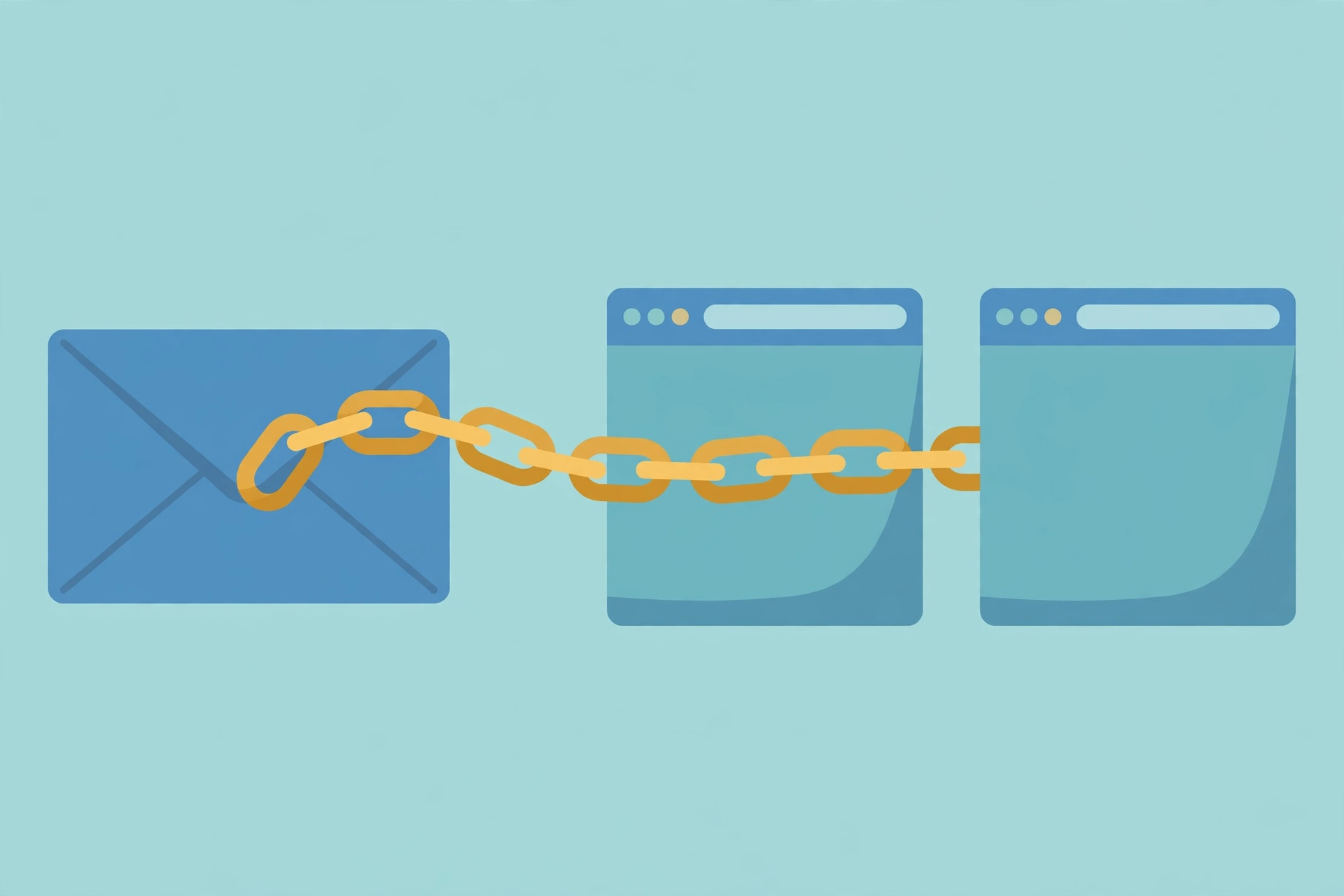
If you want to know how to get backlinks to your site, start with this truth: there are no shortcuts that last. Backlinks — links from other websites pointing to yours — are still one of the strongest signals Google uses to decide whether your site deserves to rank. Ahrefs’ study of around one billion web pages found that 90.63% of pages get zero organic traffic from Google, and 66.31% of them have no referring domains at all. The pattern is hard to ignore: pages without links pointing at them almost never get found.
Getting backlinks to your site is not optional decoration. It is the difference between publishing into the void and actually being seen. In this guide, I will show you nine honest, proven ways to earn them, the data behind what works, and the tactics to stay away from.
Why backlinks still matter in 2026
Every few years someone declares that backlinks are dead. The data keeps saying otherwise. Backlinko’s analysis of 11.8 million Google search results found that the number-one result has, on average, 3.8 times more backlinks than the results in positions two to ten. Ahrefs’ own documentation confirms the pattern: the more unique websites linking to a page, the more organic traffic it tends to receive.
A survey of 518 SEO professionals found that 55.2% call link building the most challenging part of SEO — and 41% of large companies agree, according to Authority Hacker. It is hard precisely because it works: a link is a vote of confidence from another site owner, and Google still counts those votes.
What makes a backlink worth having
Before you chase links, learn to judge them. One good link beats a hundred bad ones. A backlink is worth having when it is relevant (from a site in your niche), editorial (the owner linked because your page is genuinely useful), and from a real website with actual readers. A natural mix of anchor text — branded, URL, descriptive — looks normal; dozens of links all using your exact target keyword is a red flag.
9 proven ways to get backlinks to your site
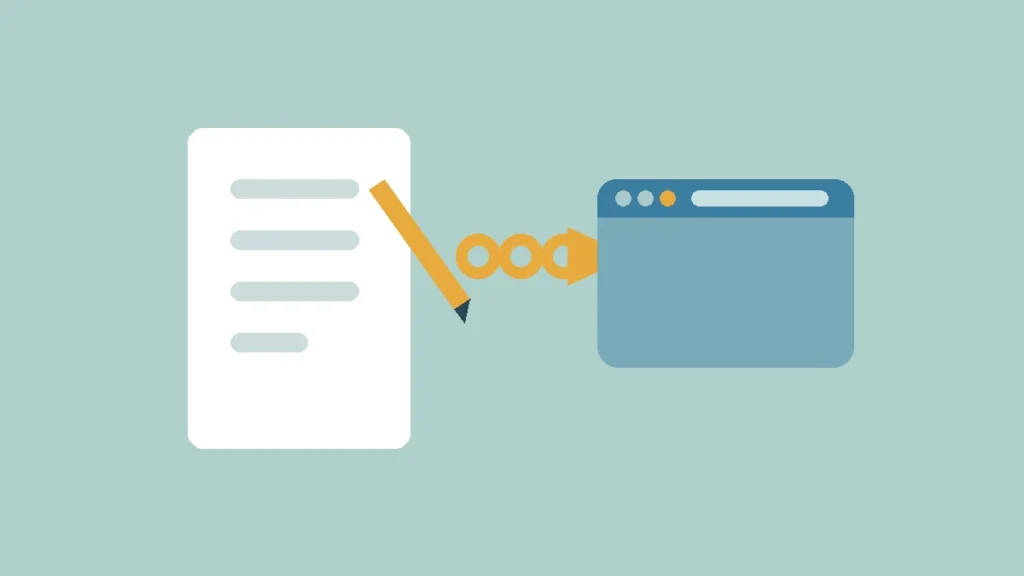
1. Write guest posts for real websites
Write a genuinely useful article for a website in your industry, with a link back to your site inside it. It works because the site owner gets free quality content and you get a relevant, editorial link. Pitch sites you actually read, propose topics that fit their audience, and write it as well as you would for your own blog. Avoid bulk “guest post placement” sellers — Google treats paid placements as a violation.
2. Try broken link building
Find a page in your niche that links to a resource which no longer exists, then email the site owner: point out the broken link and suggest your relevant page as a replacement. You are doing them a favour, so reply rates are decent — around 41% of SEO agencies use this method. A tool like Ahrefs or Semrush finds broken links at scale; the free Check My Links extension works for manual checks.

3. Run small digital PR campaigns
Create something newsworthy — a small survey, an original data point, a strong evidence-backed opinion — and pitch it to journalists and bloggers. One campaign can earn links from many publications at once, including high-authority news sites that are hardest to reach any other way. You do not need a big budget: a poll of 100 people in your niche can produce a headline stat journalists quote.
4. Claim unlinked brand mentions
Somewhere on the web, people may mention your brand without linking to you — each mention is a backlink waiting to happen. Search Google for your brand name in quotes, excluding your own site ("Your Brand" -site:yourdomain.com). For every unlinked mention, send a short polite email: thank them and ask if they would link the brand name. The hard part — getting noticed — is already done.
5. Publish original research or data
Pages with original data attract links on their own, because writers need statistics to cite. Analyse your own anonymised customer data, run a small industry survey, or study 50 competitors and publish the findings. Data-rich content earns roughly 3.5 times more backlinks than thin posts, so present the numbers clearly with charts that others can reference.
6. Get listed on resource pages
Many sites keep “resources” or “useful links” pages for their readers. If you have a genuinely useful guide or tool, ask to be included. Find them with searches like your topic + "useful resources" or your topic + inurl:resources, then email the owner with a one-line pitch naming the exact page and why your resource fits.
7. Contribute expert quotes
Journalists constantly need expert quotes. Services like Connectively and Featured send daily requests, and answering a relevant one takes ten minutes — when your quote is used, you usually get a link. Be fast and specific: give a concrete opinion or number. Journalists pick quotes that add something new.
8. Write honest testimonials
If you genuinely use a product — your host, your email tool, your accountant — write them a testimonial. Many businesses publish testimonials with a link back to the customer’s site. Only do this for products you actually use and can honestly recommend.
9. Partner with suppliers and industry bodies
Supplier “stockists” pages, partner directories, and member listings on trade association websites are all legitimate, relevant links — and the easiest to get, because the relationship already exists. List every business relationship you have and check whether each one links to you. A short email usually fixes the ones that do not.
The reality check: cost and effort
Here is what most guides skip. A survey of 518 SEO professionals put the average acceptable price of one high-quality backlink at $508.95. And Backlinko and Pitchbox analysed 12 million outreach emails and found only 8.5% got any reply at all. Link building is slow, skilled work — which is why most SEOs call it the hardest part of the job.
| Method | Typical time to first link | Budget needed | Link quality |
|---|---|---|---|
| Guest posting | 2–6 weeks | Time only | High, if the site is real |
| Broken link building | 2–4 weeks | Free tools to start | High and relevant |
| Digital PR | 4–12 weeks | Low to medium | Very high |
| Unlinked mentions | Days | Free | Medium to high |
| Original research | 4–8 weeks | Time only | Very high, compounds |
| Resource pages | 2–4 weeks | Free | Medium |
| Expert quotes | 1–3 weeks | Free | High |
| Testimonials | Days | Free | Medium |
| Supplier/partner links | Days | Free | High and relevant |
You either pay with time or with money. Done right — manual outreach, real websites, zero PBNs — is exactly what our link building services deliver for businesses that would rather outsource the grind.
Tactics to avoid
Some ways of getting backlinks will hurt you. Google’s spam policies are explicit: link schemes — paid links that pass ranking value, large-scale guest posting with keyword-rich anchors, and private blog networks — can trigger manual penalties that wipe out your traffic overnight. If you would be embarrassed to explain a tactic to Google, do not use it.
Frequently asked questions
How long does it take to get backlinks to your site?
Your first links can arrive within days — unlinked brand mentions, partner links, and testimonials are quick wins. Outreach-based methods like guest posting and broken link building usually take two to six weeks per placement, because you are waiting on other people’s publishing schedules. Ranking improvements from new links typically follow one to three months later.
Can I get backlinks to my site for free?
Yes. Unlinked brand mentions, testimonials, supplier links, expert quotes, and resource page outreach all cost nothing but time. These are often the most natural-looking links you can get, because they come from real relationships. Paid SEO tools speed up the research, but they are a convenience, not a requirement.
Should I pay for backlinks to speed things up?
No — not per link. Google’s spam policies treat paid links that pass ranking value as a violation, and sites caught buying links risk manual penalties. Paying a legitimate agency for manual outreach, content, and digital PR is completely different: you are paying for the work, and the links are earned editorially.
How many backlinks do I need to rank?
There is no fixed number — it depends on your competition. For a low-competition keyword, a handful of relevant links can be enough; for competitive terms, top pages often have dozens or hundreds of referring domains. Ask instead: how many quality referring domains do the pages outranking me have? Match and beat that.
Do backlinks from social media count for SEO?
Social links are nofollow, so they do not pass ranking value directly. They still help: a widely shared post puts your content in front of bloggers and journalists who may link to it from their own sites. Treat social media as distribution for your linkable content, not as the links themselves.
Getting backlinks to your site is a long game, but a winnable one. Start with the free wins — mentions, partners, testimonials — then build a monthly habit of outreach and content worth linking to. And if you would rather have specialists handle the outreach while you run your business, our link building services do exactly that: manual outreach, real websites, zero PBNs.

Abdullah Zulfiqar is Co-founder and Client Success Manager at RankWithLinks, an SEO agency helping businesses grow online. He specializes in client relations and SEO strategy, driving measurable results and maximizing ROI through effective link-building and digital marketing solutions.