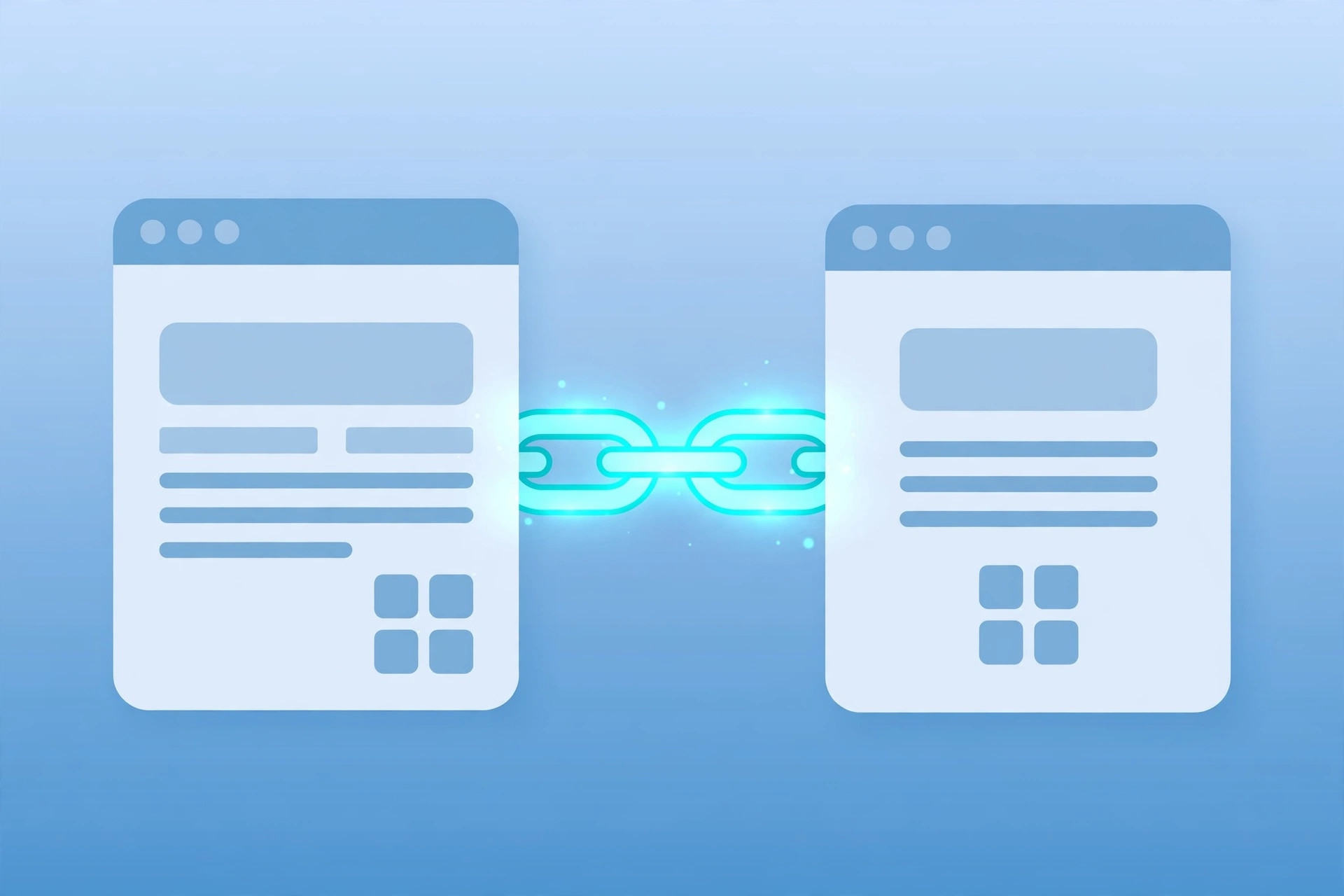
If you want to know how to get quality backlinks, start here: one good link from a relevant, trusted website can do more for your rankings than a hundred links from random directories. Backlinks still matter in 2026, but Google judges them far more strictly than it used to. The bar for “quality” keeps rising — so this guide walks you through exactly what counts as a quality backlink today, seven proven ways to earn them, and the tactics to avoid. Every statistic below comes from a real study with its source named.
What Makes a Backlink “Quality” in 2026?
A quality backlink is a link you would be proud to show a Google engineer. It comes from a real website with real readers, sits inside relevant content, and was placed because an editor thought your page deserved it — not because you paid for a placement on a spammy site.
Here is what separates quality links from junk:
| Quality factor | Why it matters |
|---|---|
| Real traffic on the linking site | Links from sites people actually visit carry more weight |
| Topical relevance | A marketing blog linking to your SEO agency makes sense; a recipe blog does not |
| Editorial placement in content | Links inside the article body beat footer and sidebar links |
| Natural anchor text | A mix of branded, partial-match and descriptive anchors looks natural |
| Fresh, active content | Links on pages that are still updated and read pass more value |
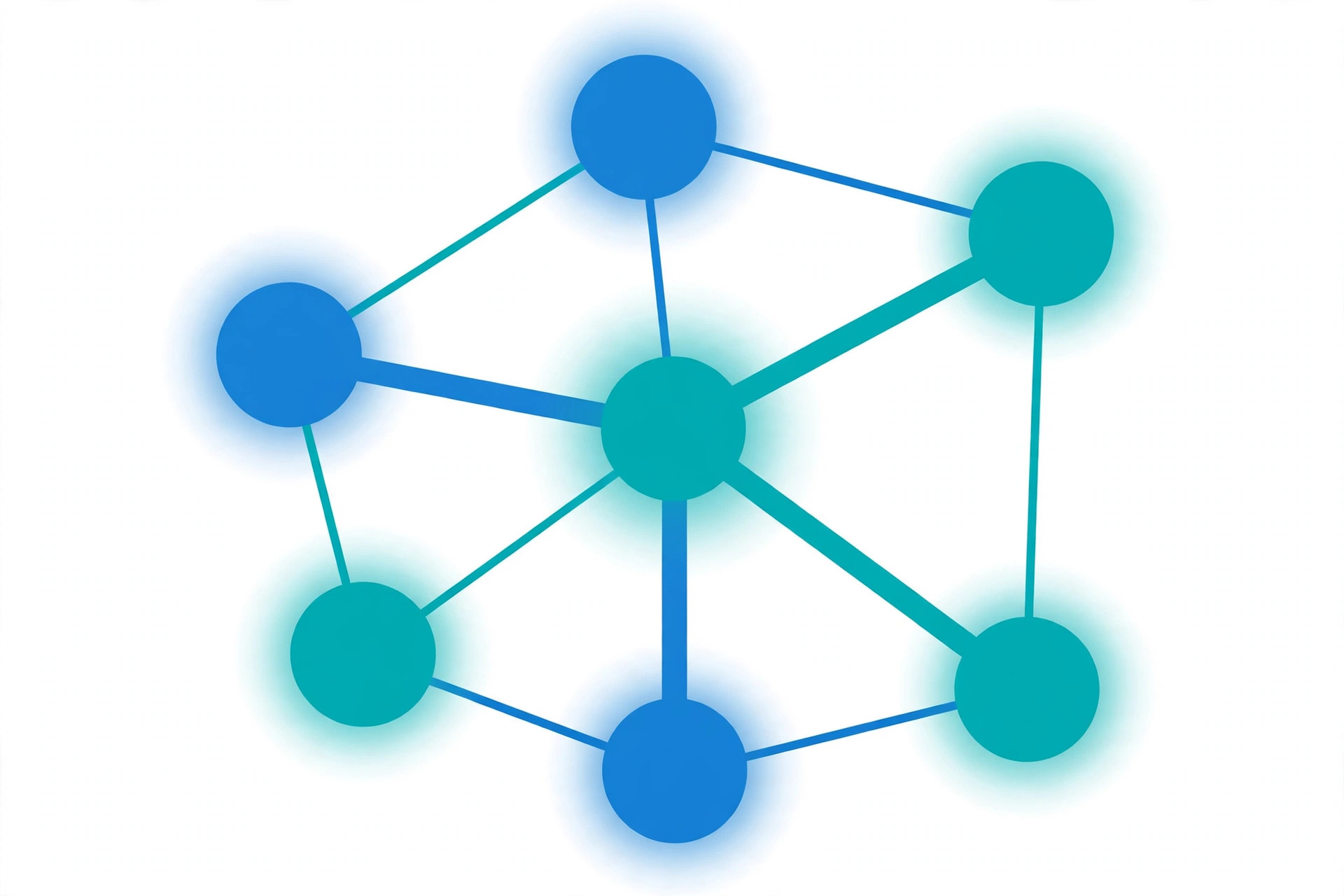
The data backs this up. An Ahrefs study of one million US keywords, published in January 2025, found that the number of referring domains had a 0.255 correlation with Google rankings — noticeably stronger than Domain Rating on its own, at 0.131. In other words, links from real, relevant websites matter more than any authority score. You can read the full methodology in the Ahrefs study on whether links still matter.
Meanwhile, an analysis of 11.8 million Google results by Backlinko found that the number-one result has, on average, 3.8 times more backlinks than the pages in positions two to ten (described in this breakdown of the Backlinko data). Links still correlate strongly with top rankings — but it is quality, not raw count, that Google rewards.
7 Proven Ways to Get Quality Backlinks
1. Publish original data and research
The single most reliable way to earn links is to publish something worth linking to. Original surveys, industry studies and data analyses get cited by bloggers, journalists and other agencies for years. An Authority Hacker survey of 755 link builders found that 93.8% say quality matters more than quantity — and original research is the classic example of a page that attracts quality links on its own.
You do not need a huge budget. A survey of 100 people in your niche, or an analysis of data you already hold, can become a link magnet.
2. Guest post on real, relevant websites
Guest posting still works — when the site is real. That means an active blog with genuine readers, recent posts, and content related to your industry. One well-written guest post on a relevant site beats ten posts on low-quality “write for us” farms.
Pitch topics that fill a gap in their content, write the best piece they have published on the subject, and include one natural link back to a relevant page on your site.
3. Use digital PR and journalist outreach
Journalists and industry publications constantly need expert quotes and data. Services like HARO alternatives, plus direct outreach to reporters covering your niche, can land links from high-authority news and trade sites — the kind of links money cannot normally buy.
Keep pitches short: one interesting finding or opinion, one sentence about why you are qualified, and your contact details.
4. Build resource pages and free tools
Resource lists, templates, calculators and checklists attract links because they are genuinely useful. A free keyword research template or an SEO audit checklist gives other writers a reason to reference your page in their own guides.
This is also one of the most durable tactics. A Linkody analysis of 865,000 monitored backlinks found that roughly 52% of links disappear within a year — but links to genuinely useful resources tend to survive far longer than average.
5. Reclaim unlinked brand mentions
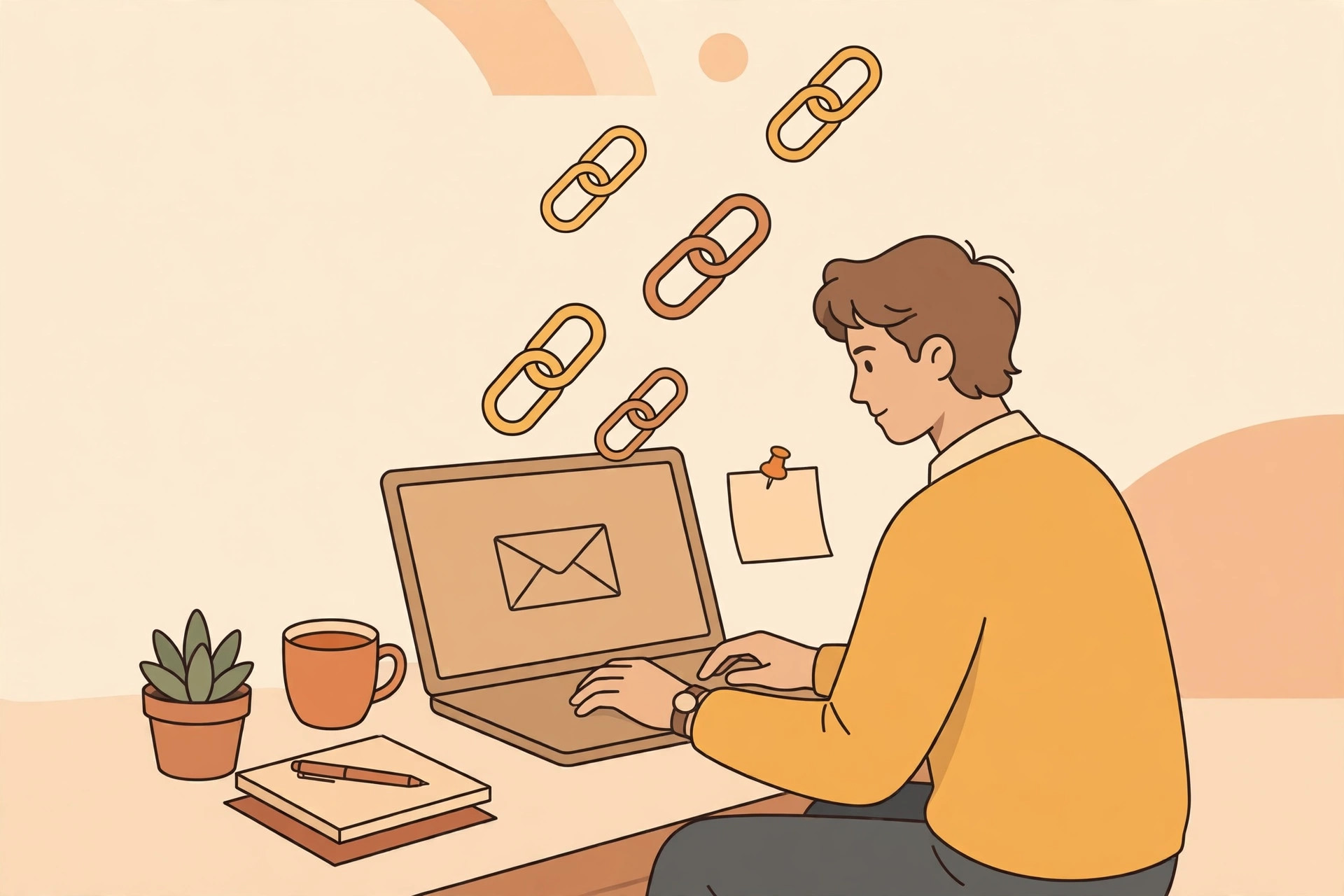
Search for mentions of your brand name that do not link to your site. Many of these come from reviews, listicles and forum discussions where the author simply forgot to add a link. A polite email pointing this out converts a large share of them into backlinks.
This is the fastest quality link you can build, because the mention already exists — you only need the link added.
6. Broken link building
Find relevant websites with broken outbound links, then email the site owner suggesting your working page as a replacement. You are helping them fix their site, so response rates are much higher than with cold guest-post pitches.
Focus on resource pages and old roundup posts in your niche, where dead links are common.
7. Work with a manual outreach specialist
If you lack the time to do outreach yourself, partner with an agency that builds links through manual outreach — real emails to real editors, no private blog networks, no automated spam. For example, our link building services are built entirely on manual outreach to relevant websites.
An Editorial.Link survey from 2026 put the average acceptable price for one high-quality link at around $509, which shows how much the market now values genuinely earned placements over cheap bulk links. If someone offers you 100 links for $50, you are not getting quality — you are getting a penalty risk.
What to Avoid
Not every link helps. Some actively hurt you:
- Link farms and PBNs: networks of sites built only to sell links. Google detects and devalues these, and they can trigger manual penalties.
- Exact-match anchor spam: a study of 18,000 backlinks by a Montreal SEO agency found the top-ranking pages used mostly branded (31%) and partial-match (23%) anchors, with exact-match anchors at just 9%. Overusing exact-match anchors correlated with ranking drops.
- Irrelevant directory submissions: a handful of quality niche directories are fine; mass submissions to thousands of directories are not.
- Link exchanges at scale: the occasional reciprocal link is natural, but organised schemes are against Google’s spam policies.
FAQs
How long does it take for backlinks to affect rankings?
Usually four to twelve weeks. Google has to discover the linking page, crawl it, and recalculate your page’s authority. Links from pages that are crawled often can have an effect faster; links from rarely-crawled pages take longer. Consistency matters more than speed — steady link growth over months beats a sudden spike.
How many quality backlinks do I need to rank?
It depends on the competition. For a low-competition long-tail keyword, a handful of good links can be enough. For competitive terms, study the top ten results and aim to match their referring-domain counts with better-quality links. Remember the Ahrefs finding: referring domains correlate more strongly with rankings than total link count, so ten links from ten different sites beat fifty links from two.
Do nofollow links help with SEO?
Nofollow links do not pass ranking signals directly, but they still have value. They drive referral traffic, build brand awareness, and make your link profile look natural — a profile of only dofollow links looks manipulated. Google also treats nofollow as a hint rather than a strict rule, so they can contribute in ways that are hard to measure.
Is it safe to pay for backlinks?
No — buying links that pass ranking signals violates Google’s spam policies, and the risk is real: penalties, ranking drops, or wasted money on links Google simply ignores. The honest path is earning links through the methods above or hiring specialists who do manual outreach. If a seller promises guaranteed placements on “high DA” sites for a flat fee, walk away.
What is the difference between a backlink and a referring domain?
A backlink is a single link from one page to yours. A referring domain is a unique website linking to you. If one website links to you from ten different pages, that is ten backlinks but one referring domain. Referring domains are the more important metric — Google treats links from many different sites as stronger proof of trust.
Final Word
Getting quality backlinks is not complicated, but it is work: publish things worth linking to, reach out to real people, and avoid every shortcut that promises fast results. The websites that win in 2026 are the ones that earn their links the honest way — one relevant, editorial placement at a time.

Abdullah Zulfiqar is Co-founder and Client Success Manager at RankWithLinks, an SEO agency helping businesses grow online. He specializes in client relations and SEO strategy, driving measurable results and maximizing ROI through effective link-building and digital marketing solutions.