
If you have ever typed “what is link building SEO?” into Google, you are not alone. It is one of the most common questions in search marketing, and the answers online range from excellent to wildly misleading. This guide gives you the straight version: what link building SEO is, how it works, why search engines care about it, and how to do it safely in 2026.
What Link Building SEO Actually Means
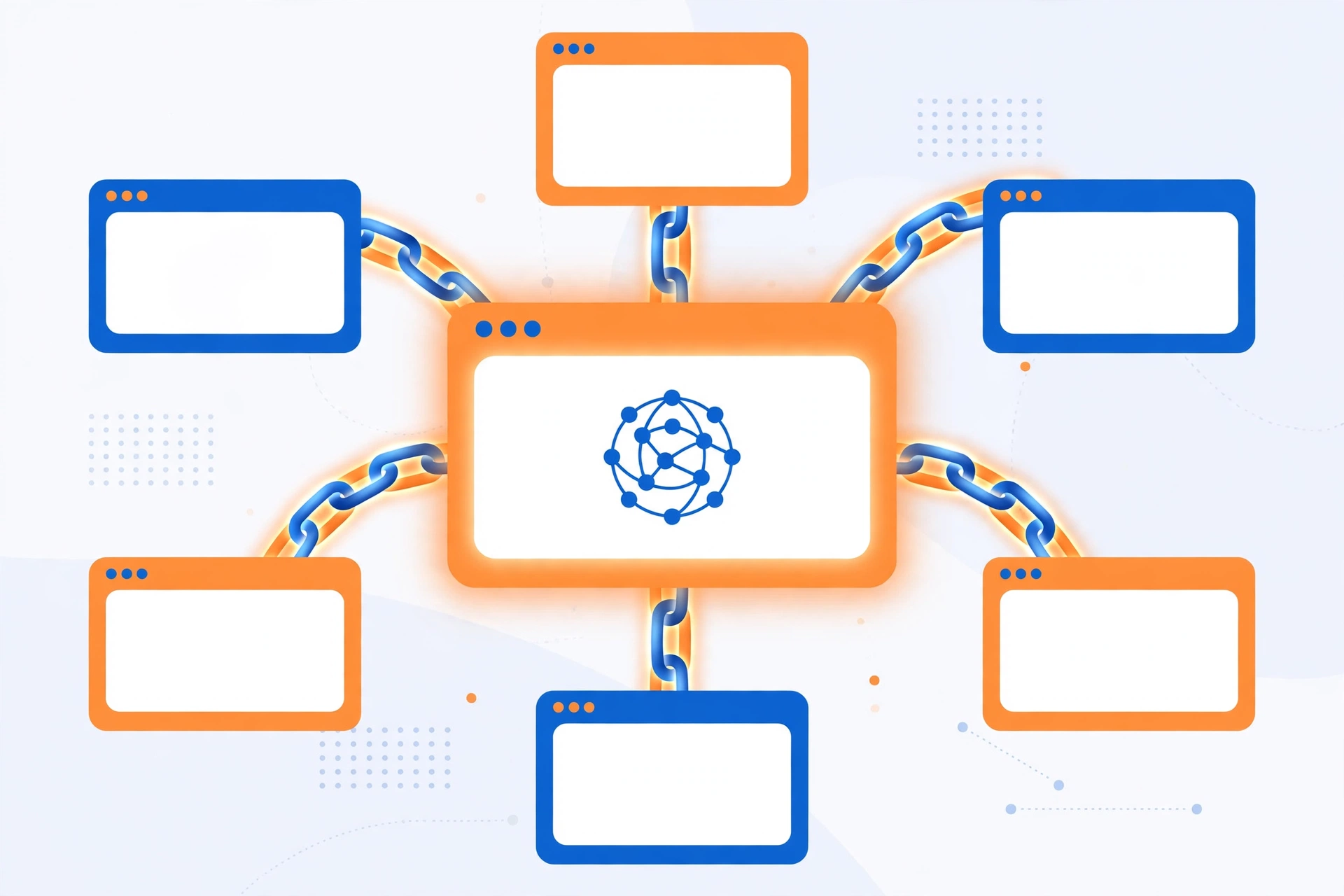
Link building SEO is the practice of getting other websites to link to your website. Each of those links is called a backlink. Search engines treat backlinks as votes of confidence: when a reputable site links to your page, it tells Google your page is worth showing to searchers.
That is the whole idea in one sentence. The practice itself has three parts:
- Creating something worth linking to — useful content, original data, or a helpful tool.
- Finding websites that would genuinely want to reference it.
- Reaching out and earning the link, usually through an article, a resource page, or a mention in the press.
Link building sits inside off-page SEO. On-page SEO is everything you control on your own site: your content, your titles, your structure. Link building is what happens beyond your site — the reputation other websites build for you, one link at a time.
Why Backlinks Matter So Much for Rankings
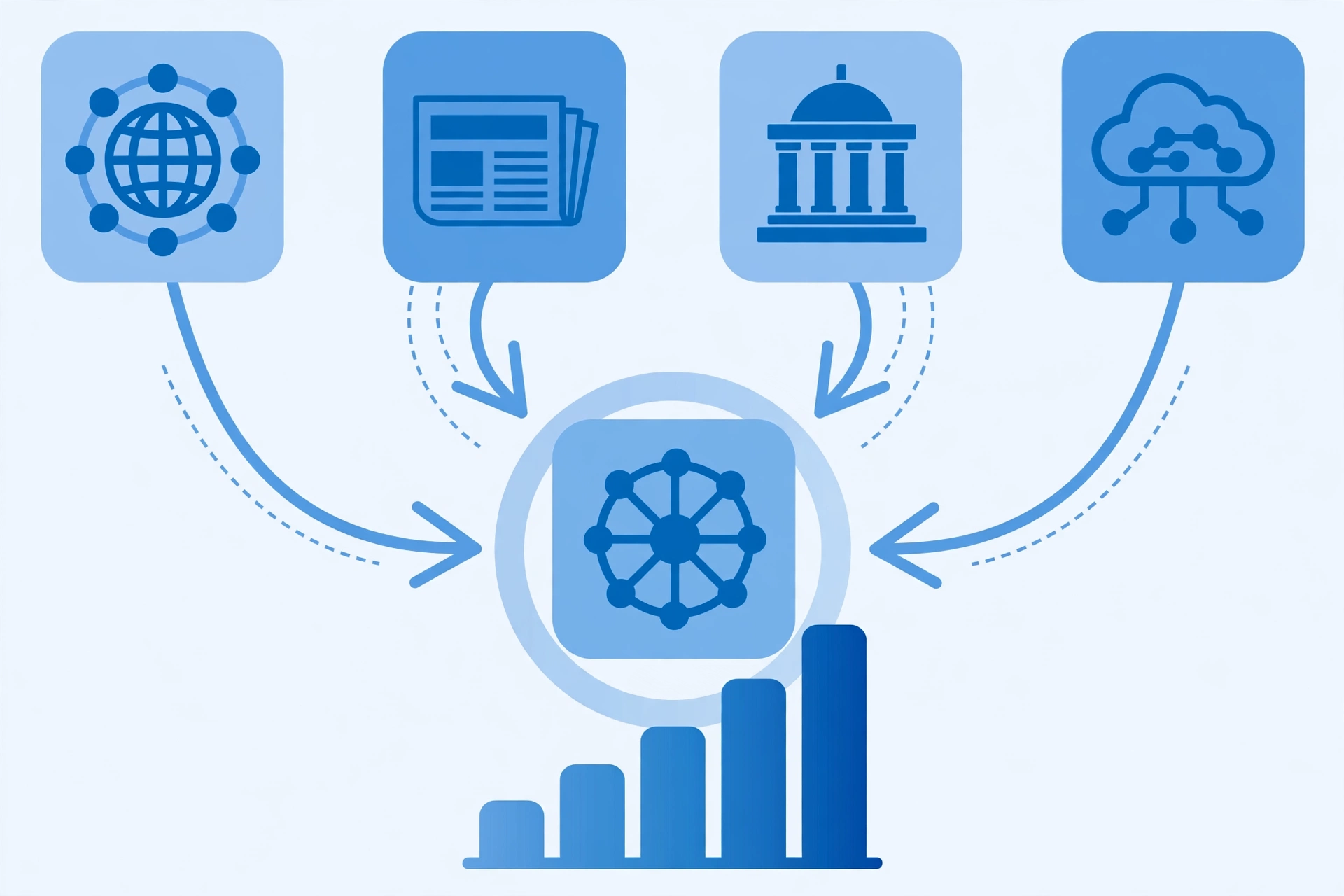
Google has never published the exact formula behind its rankings, but independent research keeps pointing the same way: backlinks are one of the strongest signals Google uses to decide which pages deserve to rank. The numbers tell the story.
| Finding | Source |
|---|---|
| The #1 Google result has about 3.8x more backlinks than results in positions 2–10 | Backlinko, study of 11.8 million search results |
| Referring domains show a clear positive correlation with top-20 rankings | Ahrefs, analysis of 1 million keywords, January 2025 |
| 66.31% of all web pages have zero backlinks | Ahrefs, Content Explorer (~1 billion pages) |
| 96.55% of pages get zero traffic from Google, with lack of backlinks named as a main cause | Ahrefs, study of ~14 billion pages |
| Backlinks carry around 12–13% of Google’s algorithm weight, down from 15% in 2024 | First Page Sage, 2026 Google ranking factors report |
Two things stand out from this data. First, the correlation is real: pages with strong backlink profiles consistently outrank pages without them. Second, Google is slowly reducing how much links count — its own spokespeople have said links are no longer in the top three ranking factors — which means the quality bar for every single link keeps rising.
A useful way to think about it: Google can now evaluate your content on its own, but a link from a trusted site remains the strongest public proof that real people found your page valuable.
How Link Building Works in Practice
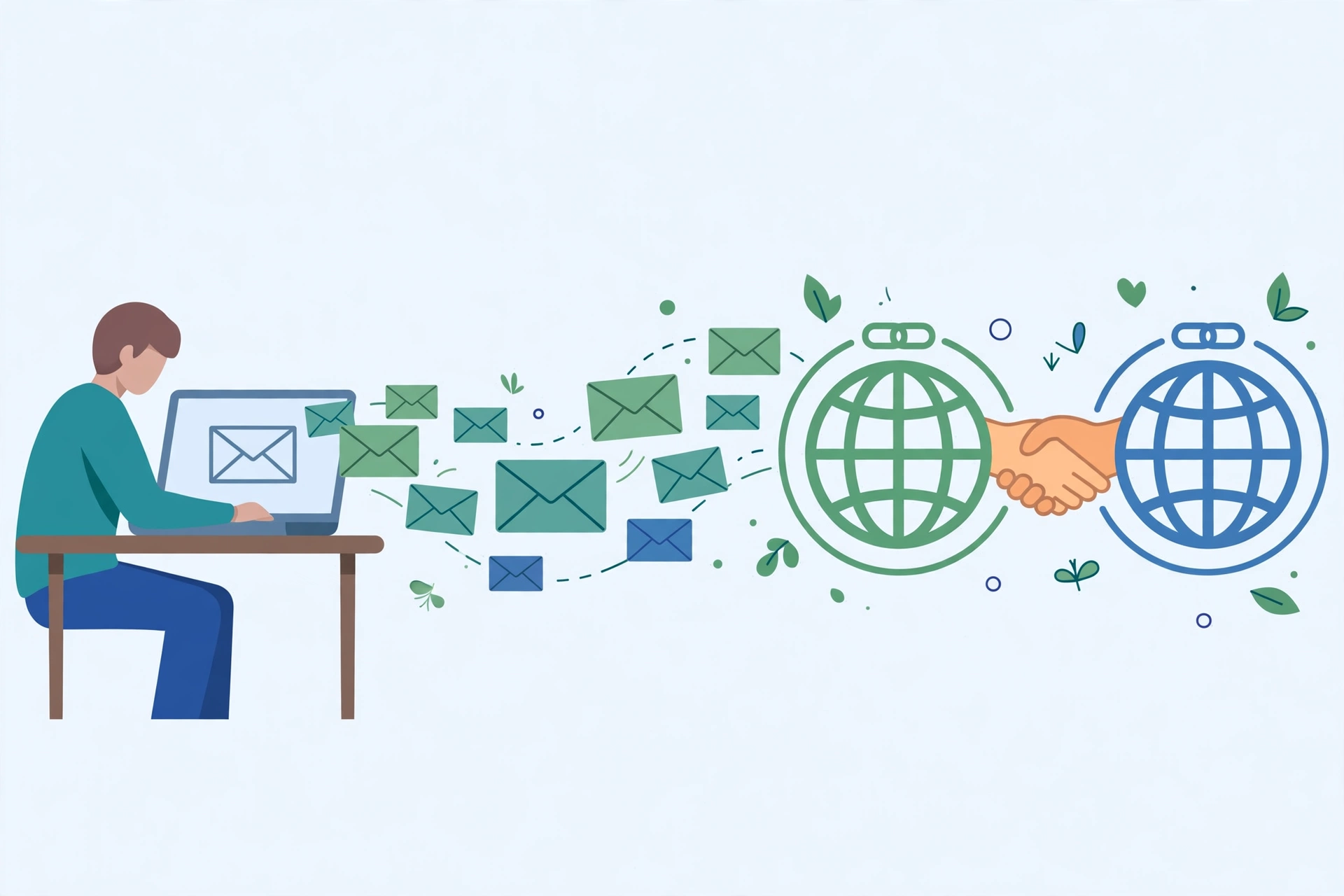
There is no button that creates backlinks. Every legitimate link is earned. These are the main methods professionals use:
Guest posting. You write a genuinely useful article for a reputable blog in your industry, and the article includes a link back to your site. This works when the host site is real, relevant, and has genuine readers.
Digital PR. You create something newsworthy — original research, a survey, a data study — and journalists and bloggers link to it when they cover the story. Industry surveys now rank digital PR among the most popular link building methods.
Resource page outreach. Many sites keep pages listing the best resources on a topic. If your content genuinely belongs on that list, a short, polite email can earn you a place.
Broken link building. You find dead links on relevant sites, then suggest your own working page as a replacement. It helps the site owner fix their page and earns you a link at the same time.
What all of these share: a real person, a relevant site, and content worth linking to. That is manual outreach, and it is the only approach that holds up long term.
What Makes a Backlink Valuable?
Not all links are equal. A single link from a respected site in your industry can outweigh a hundred links from low-quality blogs. When professionals judge a link, they look at five things:
- Relevance. A link from a site in your niche carries far more weight than one from an unrelated site.
- Authority. Links from established sites with real traffic pass more trust.
- Editorial placement. A link placed naturally inside an article beats a link buried in a footer or sidebar.
- Diversity. Links from many different domains look natural; hundreds of links from a single domain do not.
- Anchor text. The clickable words should describe your page naturally, not repeat the same commercial keyword everywhere.
White Hat vs Black Hat Link Building
White hat link building follows Google’s rules: you earn links through outreach, strong content, and genuine relationships. It is slower, but the links last and the rankings they build are stable.
Black hat link building tries to cheat: private blog networks (PBNs), link farms, automated spam comments, and paid links designed to manipulate rankings. These can work briefly and then fail badly. Google’s spam updates specifically target manufactured links, and sites caught using them can lose their rankings overnight.
Our position is simple: manual outreach, zero PBNs, no shortcuts. It takes longer, but it is the only way to build rankings that survive the next algorithm update.
How Long Does Link Building Take to Work?
The honest answer: months, not days. New links typically start influencing rankings within four to six weeks on low-competition terms, while competitive keywords can take six months or more of steady work. Link building is a campaign, not a one-off task. The sites that win are the ones that keep earning links month after month.
Frequently Asked Questions
Is link building still important for SEO in 2026?
Yes, but the emphasis has shifted. Backlinks remain a confirmed ranking factor — First Page Sage’s 2026 analysis still gives them around 12% of Google’s algorithm weight — and studies continue to show a clear correlation between referring domains and rankings. Google’s AI can judge content quality on its own now, so the links that matter most are editorial links earned by genuinely useful content, not manufactured ones.
What is the difference between link building and backlinks?
A backlink is the link itself: one website linking to another. Link building is the work of earning those links — the outreach, the content creation, and the relationship building. You cannot do link building without backlinks, but you can have backlinks without link building, since some sites link to you naturally.
Can I buy backlinks for SEO?
You should not. Paid links intended to manipulate rankings break Google’s spam policies, and Google’s spam updates are specifically designed to catch them. Sites relying on purchased links have seen sharp ranking drops after updates. If you pay for anything, pay for the work — outreach, content, PR — not for the links themselves.
How many backlinks do I need to rank?
There is no fixed number. It depends on the keyword difficulty, your site’s authority, and how strong the pages already ranking are. The practical approach is to check the backlink profiles of the pages ranking for your target keyword and aim to match or beat them with better-quality links. One relevant link from a trusted site beats dozens of weak ones.
What is white hat link building?
White hat link building means earning links in ways Google approves of: guest posting on real sites, digital PR, resource page outreach, and creating content people genuinely want to reference. No paid links, no private blog networks, no automation spam. It is slower than black hat tactics, but the rankings it builds actually last.
If you would rather have it done properly, our manual link building services use genuine outreach to real, relevant websites — no PBNs, no shortcuts, just links that move rankings and survive algorithm updates.

Abdullah Zulfiqar is Co-founder and Client Success Manager at RankWithLinks, an SEO agency helping businesses grow online. He specializes in client relations and SEO strategy, driving measurable results and maximizing ROI through effective link-building and digital marketing solutions.