
Link building tips are easy to find and hard to trust. Most lists repeat the same vague advice: create great content, do outreach, build relationships. None of that is wrong, but none of it tells you what to do on Monday morning. This guide does. It gives you 12 link building tips you can act on, each one grounded in what the research says actually works, and each one safe under Google’s rules.
A backlink is still one of the strongest signals Google uses to judge a page. Google has confirmed more than once that links sit among its top three ranking factors, alongside content and RankBrain. The data backs that up. Backlinko’s study of 11.8 million Google search results found the page in position one has, on average, 3.8 times more backlinks than the pages in positions two to ten. Links are not the whole of SEO, but a page with no links is fighting with one hand tied behind its back.
Why links still matter in 2026
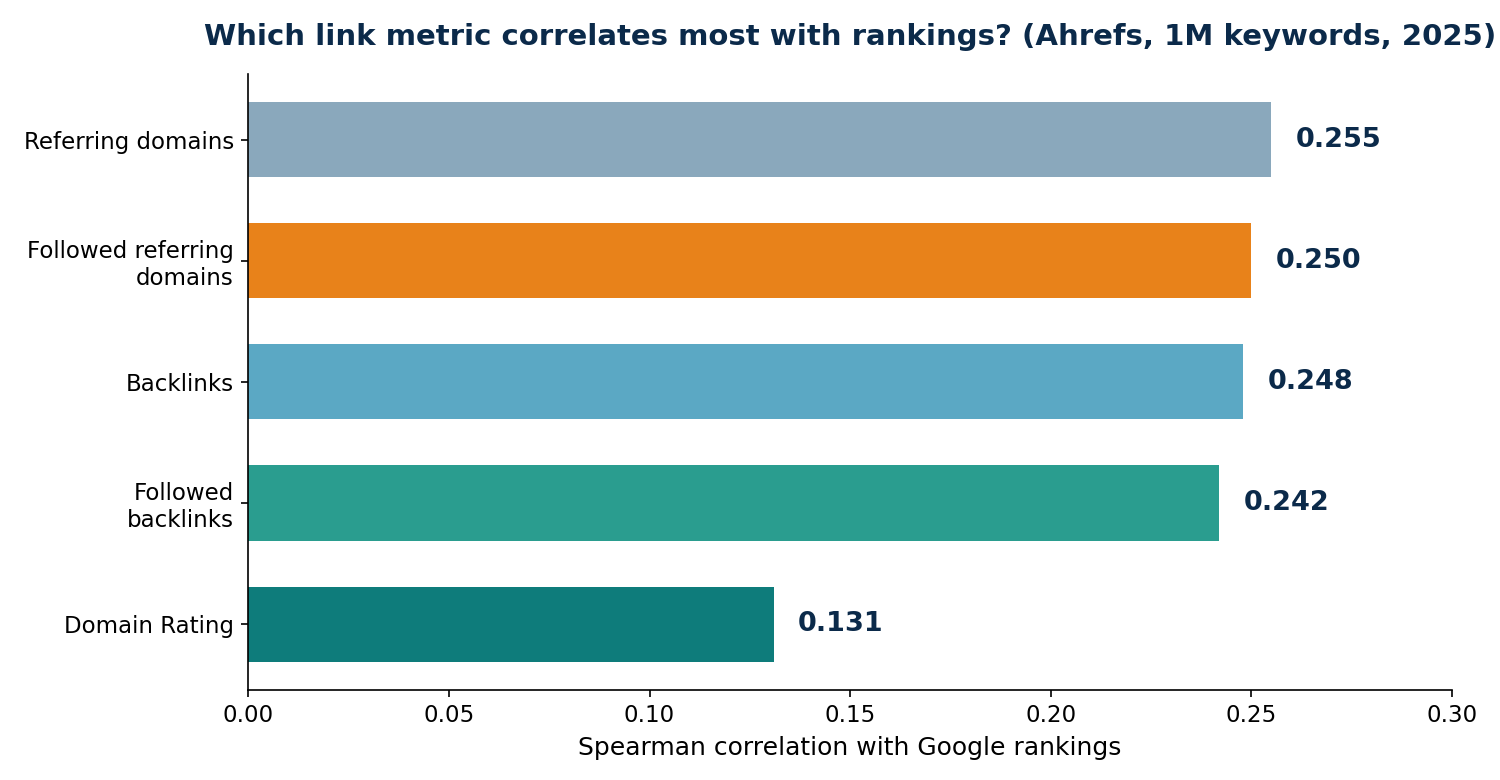
Every large study of rankings reaches the same conclusion: pages that rank hold more links, from more different websites, than the pages below them. Ahrefs studied the top 20 results for one million keywords in 2025 and found the number of referring domains — the count of different websites linking to a page — had the strongest correlation with rankings of any link metric, at 0.255. Total backlink count came next at 0.248, while Domain Rating scored only 0.131. The lesson is plain: what matters most is how many different, real websites link to you, not how many links you have in total and not your Domain Rating score.
The other side of the same picture is how rare links are. Ahrefs studied around one billion pages and found 66.31% of them have no backlinks at all. In a separate study of around 14 billion pages, Ahrefs found 96.55% get no traffic from Google, and only about one page in 6,671 with no referring domains gets more than 1,000 monthly visits. Most pages are invisible. Link building is how a page stops being invisible.
Practitioners agree. In uSERP’s State of Backlinks survey from September 2026, 62.1% of 116 SEO professionals still called backlinks a top-three ranking factor, and 87.1% said they would keep building links even if Google removed them as a ranking signal. Links bring referral traffic and trust as well as rankings, and that is why they survive every update.
Link building tips by the numbers
| Fact | Number | Source |
|---|---|---|
| More backlinks for the #1 Google result than positions 2–10 | 3.8x | Backlinko, study of 11.8 million search results |
| Web pages with no backlinks at all | 66.31% | Ahrefs, study of around 1 billion pages (2020) |
| Web pages that get no traffic from Google | 96.55% | Ahrefs, study of around 14 billion pages (2023) |
| Correlation between referring domains and rankings | 0.255 | Ahrefs, 1 million keywords (2025) |
| SEO professionals who call backlinks a top-3 ranking factor | 62.1% | uSERP State of Backlinks survey, 116 pros (Sept 2026) |
| Links to sampled sites that have rotted since 2013 | 66.5% | Ahrefs link rot study, 2 million sites (2024) |
| Average response rate to link building outreach | 8.5% | Authority Hacker link building survey |
| Monthly growth in followed links from new domains for #1 pages | 5–14.5% | Ahrefs backlink growth study |
Two rows in that table deserve a second look. First, the 8.5% outreach response rate: most of your emails will be ignored, and that is normal. A campaign that sends 100 emails and gets eight or nine replies is doing fine. Second, the 66.5% link rot figure: two in three links disappear over time. Link building is not a one-off job. It is a routine, like publishing content, and it needs to keep going for rankings to hold.
12 link building tips that work in 2026
Tip 1: Start with a page worth linking to
No outreach tactic can save a page nobody wants to cite. Before you ask anyone for a link, check that the page gives a reader a reason to link: original data, a clear step-by-step process, a worked example, a free template, or a better answer than anything else on the results page. If your page is a sales page, do not expect links to it. Link to it from a useful guide instead, and share the guide. The guide earns the link, and the link passes value through your site.
Tip 2: Count referring domains, not total links
When you set targets, count referring domains — the number of different websites linking to you — not the total number of backlinks. One hundred links from one website are worth far less than ten links from ten different websites. Ahrefs’ 2025 study of one million keywords found referring domains had the strongest correlation with rankings of any link metric. Check what the pages ranking above you have, then aim to close the gap one domain at a time.
Tip 3: Publish original data, even small data
Original numbers are the most linkable thing on the internet. You do not need a survey of thousands of people. A study of your own 50 clients, a count of prices across 20 suppliers, or a before-and-after test on your own site all count as original data. Journalists and bloggers need figures to quote, and when they quote yours, they link to you. Keep the method honest and the sample size visible, and the links will come without you having to ask for most of them.
Tip 4: Fix broken links on other sites
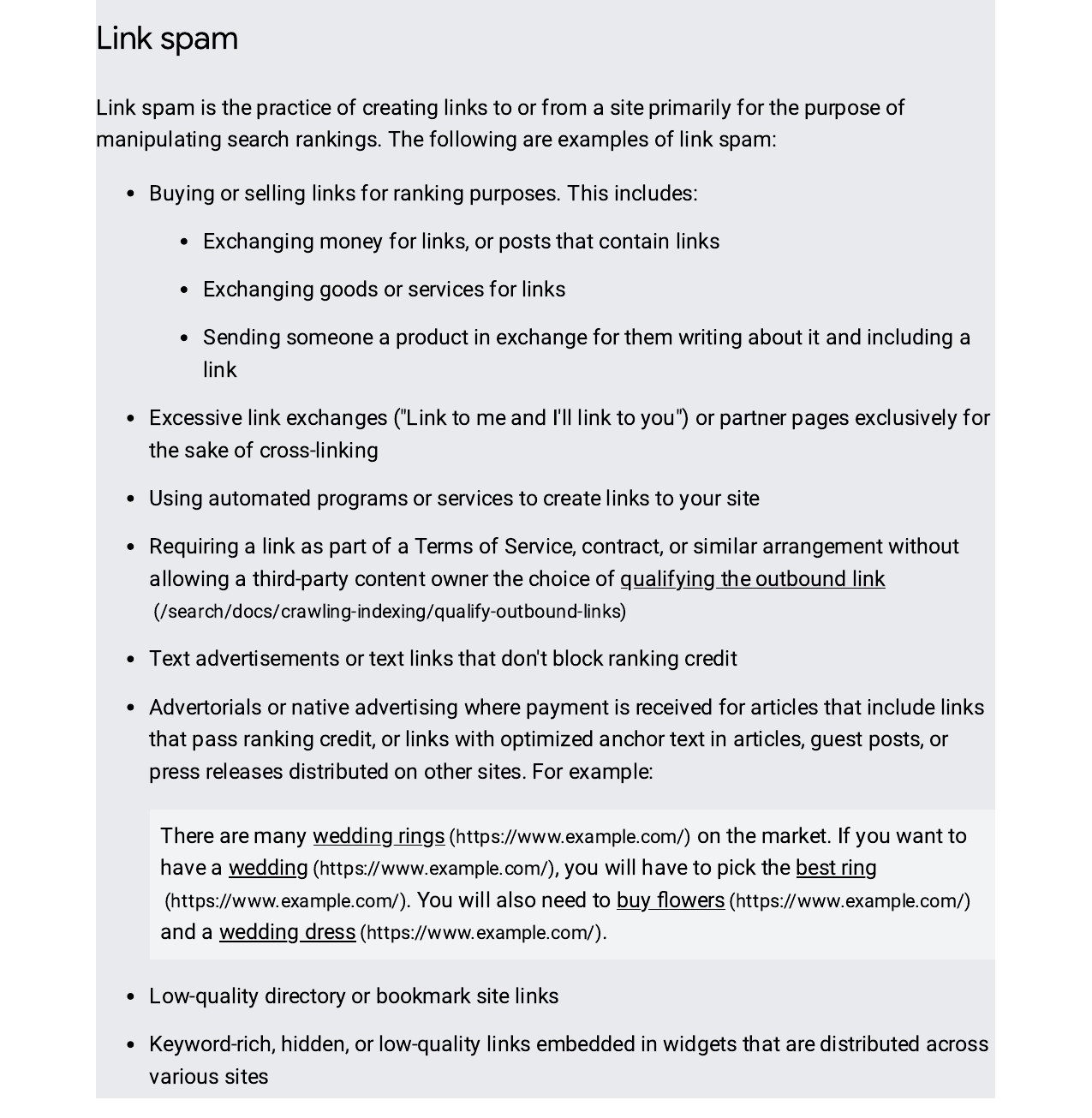
Find pages in your niche that link to a resource that no longer exists, then offer your page as a replacement. Site owners like this: you are helping them fix a broken page, not asking for a favour. Use a backlink checker to find broken outbound links on sites that write about your topic, check that your page genuinely replaces what is missing, and send a short email pointing out the broken link. This is one of the highest-converting link building tips there is, because the site owner already wanted to link to something on that topic.
Tip 5: Reclaim links you have already earned
Links break quietly. A site redesigns, a page moves, a link is removed during an edit, and you lose the link without ever knowing. Ahrefs found 66.5% of links to sampled sites have rotted since 2013. Check your backlink profile every month for lost links, and contact the site owner when a good link disappears. A short note — “I noticed the link to our guide went missing when you updated the page, would you mind restoring it?” — brings back links far more cheaply than earning new ones.
Tip 6: Write guest posts for real audiences
Guest posting still works when the site is real and the audience is real. Pick sites your customers actually read, pitch a topic that fits their readers, and write the best article on that topic you can. One guest post on a respected site in your niche beats ten posts on sites that exist only to sell links. Google’s spam policies are clear that links intended to manipulate rankings — including large-scale guest posting with keyword-rich anchor text — count as link spam. Keep your guest posts honest, relevant, and written for readers, and they stay on the right side of that line.
Tip 7: Try digital PR with a genuine story
Digital PR means earning links from news sites and journalists by giving them a story. The story can be a survey, a data analysis, a local angle, or an expert comment on a news event. You do not need a big budget. A small survey of your customers, a count of something people argue about, or a clear expert view on a change in your industry can all earn coverage. Journalists link to sources they trust, so give them a real person, a real number, and a page they can link to.
Tip 8: Get listed on resource pages
Resource pages are pages that collect the best links on a topic: “best tools for…”, “useful guides for…”, “resources for…”. They exist in almost every niche, and their whole purpose is to link out. Search for them with queries like “resources” plus your topic, check that your page genuinely belongs on the list, and send a short email to the page owner. This is one of the oldest link building tips, and it still works because it helps both sides: the page owner gets a better list, and you get a relevant link.
Tip 9: Write outreach emails people actually answer
The average response rate to link building outreach is 8.5%, according to Authority Hacker’s survey of link builders. That means most of your emails will be ignored, so each one has to earn its reply. Keep it short — three or four sentences. Say who you are, say exactly which page you mean, and say why linking to it helps their readers. Never send a mass email with a fake first name. Personalise one real detail: a point in their article, a gap your page fills, or a broken link you spotted. One honest, specific email beats fifty template emails.
Tip 10: Use internal links to spread link value
Links from other sites land on one page, but internal links spread their value across your site. When a guide earns a backlink, link from that guide to the service page or product page you most want to rank, using descriptive anchor text. This is fully in your control, costs nothing, and is often the fastest way to lift a page that is stuck on page two. Audit your internal links every quarter: find pages with strong backlinks and few outbound internal links, and put them to work.
Tip 11: Earn links from the tools and sites you already use
Check where your business already appears: suppliers, partners, trade bodies, local directories, software marketplaces, review sites, and event pages. Many of these will link to you if you ask, and some already do but link to the wrong page or no page at all. A supplier’s “where to buy” page, a partner’s case study, or a trade body’s member directory are all legitimate, relevant links. They are also the links your competitors often forget to claim.
Tip 12: Keep building, month after month
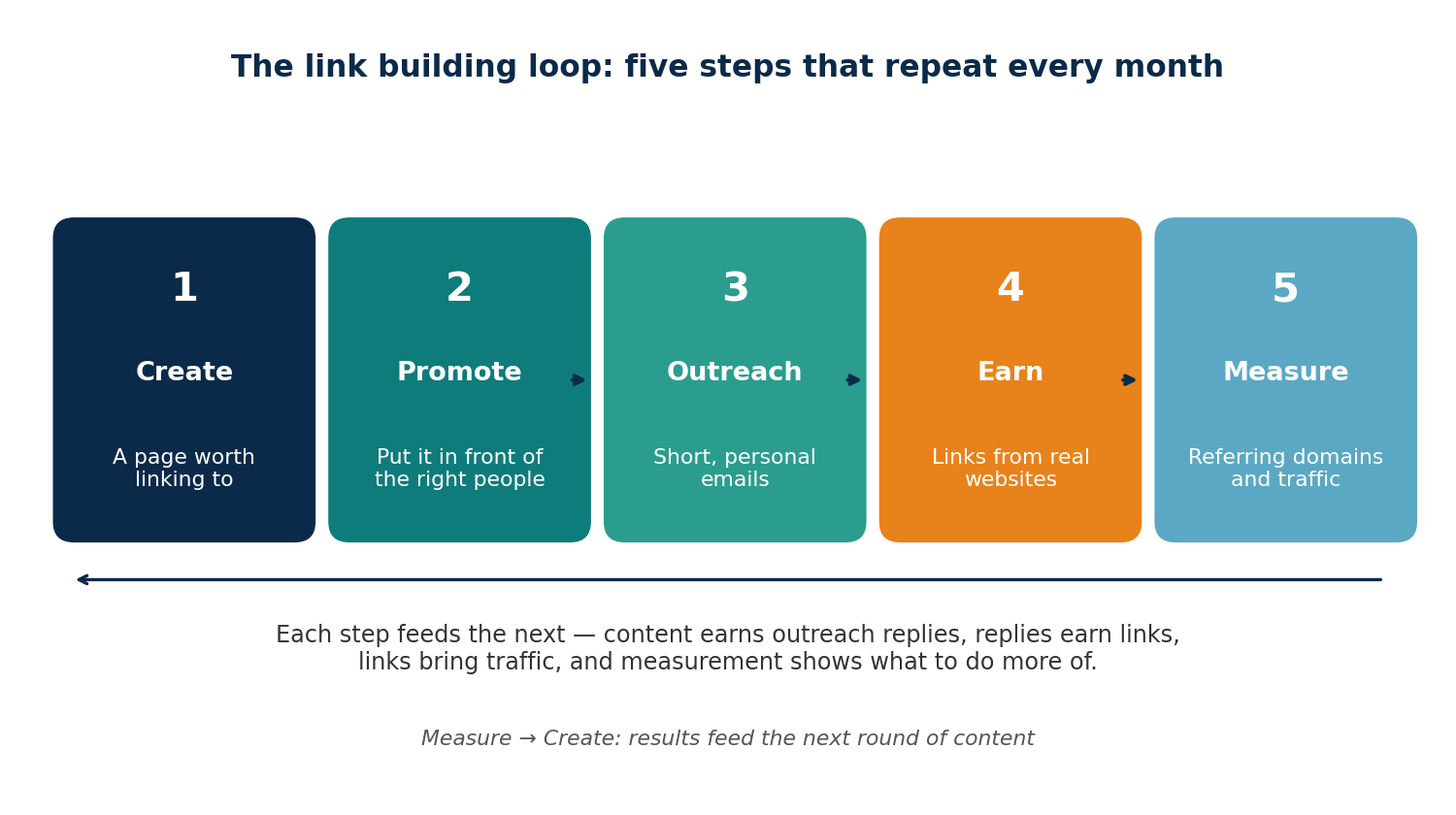
Link building compounds. Ahrefs’ backlink growth study found that most pages ranking first gain followed links from new referring domains at a rate of 5% to 14.5% a month. The pages at the top are not standing still. If you stop, your competitors keep going, and your links decay — remember that 66.5% rot figure. Set a steady pace you can hold: a few links a month from real sites, every month, beats a burst of fifty links followed by six months of silence.
What not to do
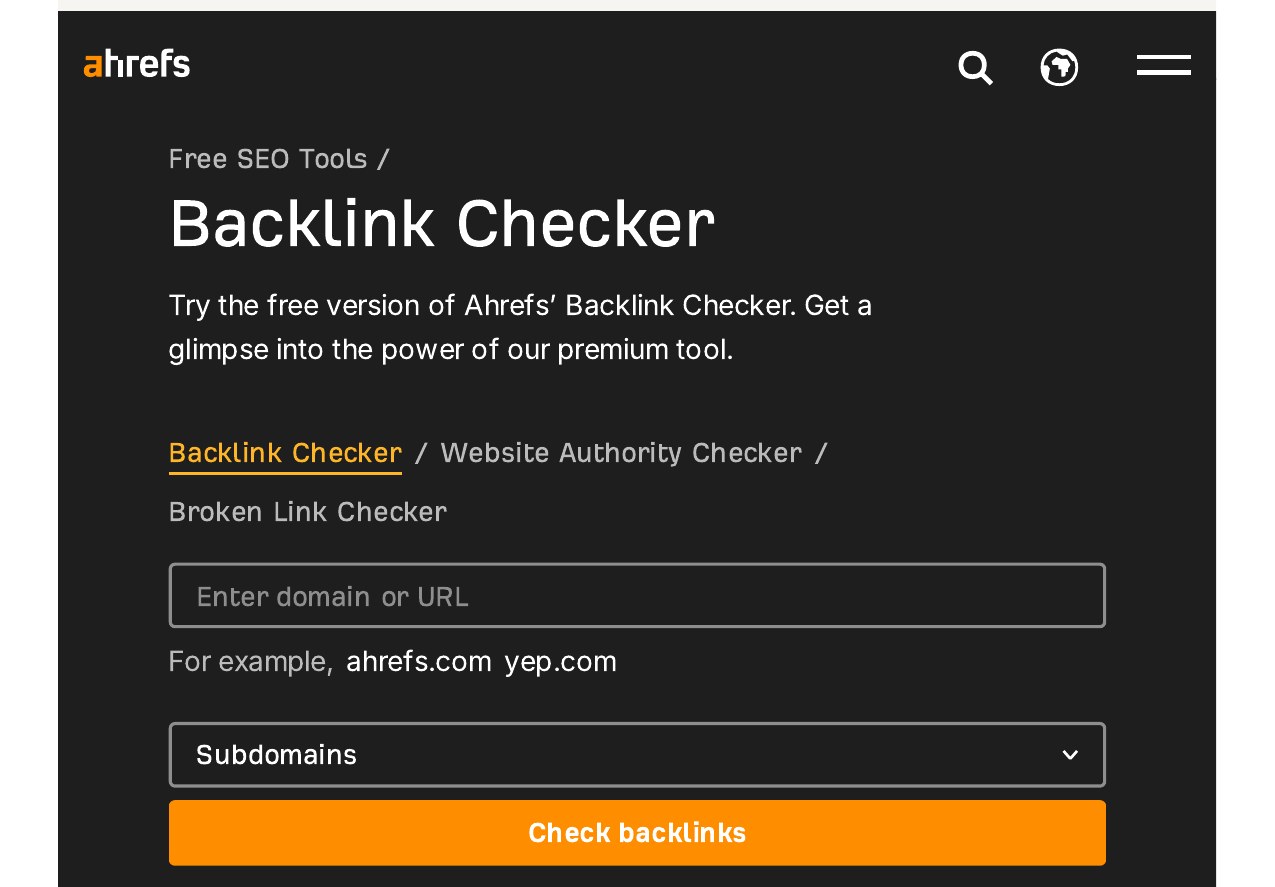
Some link building tips you will read elsewhere are not tips at all — they are shortcuts that Google treats as spam. Do not buy links, do not join link exchange schemes, and do not use automated tools that place links on thousands of low-quality sites. Google’s spam policies list these practices as link spam, and a manual action can remove your site from search results while you fix the damage.
The rule is simple: if a link would not exist without payment or automation, do not build it. A link should exist because a real person thought your page was worth recommending. That standard keeps you safe, and it also happens to be the standard that earns links that last.
How to measure link building
Measure three things, and ignore the rest. First, referring domains: the number of different websites linking to you, tracked month by month. Second, organic traffic to the pages you built links to — links should bring visitors, not just a higher score. Third, rankings for the keywords those pages target. Domain Rating and Domain Authority are useful for comparing sites, but they are third-party scores, not Google scores, and they should never be the goal by themselves.
Set a monthly routine. Check new and lost links, check which pages gained and lost referring domains, and check whether the pages you worked on moved up or down. If a tactic brings links but no traffic and no movement after three months, drop it and spend the time on one that does.
FAQ
How many backlinks do I need to rank?
There is no fixed number. It depends on how many referring domains the pages already ranking for your keyword have. Check the top ten results with a backlink checker, note the referring domain counts, and aim to match the pages in positions four to ten first. A page targeting a low-competition keyword may need only a handful of links from relevant sites; a competitive keyword may need hundreds. Quality and relevance matter more than the count alone.
How long does link building take to work?
Expect to wait weeks to months, not days. Google has to find the new link, crawl it, and factor it into rankings, and that process is gradual. Most link builders see movement within one to three months of earning a good link, and the effect builds as more links arrive. If you need results this week, link building is the wrong tool — paid search is faster, but it stops working the moment you stop paying.
Do nofollow links help SEO?
Nofollow links do not pass PageRank directly, but they are still worth having. A natural backlink profile includes nofollow links — from social media, forums, news comments, and directories — and a profile with only followed links looks manipulated. Nofollow links also bring referral traffic and put your content in front of people who may link to it with a followed link later. Do not turn down a good nofollow link from a real site.
Should I buy backlinks?
No. Buying links breaks Google’s spam policies, and Google treats paid links as link spam. If Google finds them, you risk a manual action that can remove your pages from search results until the links are removed or disavowed. The money is better spent on content worth linking to, or on our link building services, where links are earned through manual outreach to real websites.
What is the best link building strategy for a small business?
Start with the links closest to home: local directories, suppliers, partners, and trade bodies. Then create one genuinely useful guide for your customers and promote it to local bloggers and news sites. Add resource page outreach and broken link building, which cost nothing but time. A small business does not need hundreds of links — a few dozen relevant links from real local and industry sites can be enough to outrank competitors who bought theirs.
How do I know if a backlink is good?
A good backlink comes from a real website, on a page that is relevant to yours, with anchor text that describes what your page is about. Check that the linking site gets real traffic, that it links out to other genuine sites, and that your link sits in the main content of the page rather than a footer or sidebar full of unrelated links. If the site exists mainly to sell links, or the page is stuffed with outbound links to unrelated sites, the link is not worth having.
Sources: Backlinko ranking factors study (11.8 million results) — link building statistics roundup; Ahrefs search traffic and link studies — backlink statistics 2026; Ahrefs 1 million keyword study (2025) — how many backlinks do I need to rank; uSERP State of Backlinks survey (September 2026) and Authority Hacker survey — link building statistics 2026.

Abdullah Zulfiqar is Co-founder and Client Success Manager at RankWithLinks, an SEO agency helping businesses grow online. He specializes in client relations and SEO strategy, driving measurable results and maximizing ROI through effective link-building and digital marketing solutions.