Not every link pointing to your website works the same way. That is why understanding the types of backlinks in SEO matters before you try to earn more of them. A backlink is a link from another website to yours, but search engines look at who links to you, where the link sits, and what the linking site says about the relationship. Some links pass ranking value. Others mainly send visitors. A few can cause trouble if they come from the wrong places. This guide explains each main type in plain words, and how to judge whether a link is worth earning.
What a backlink really is
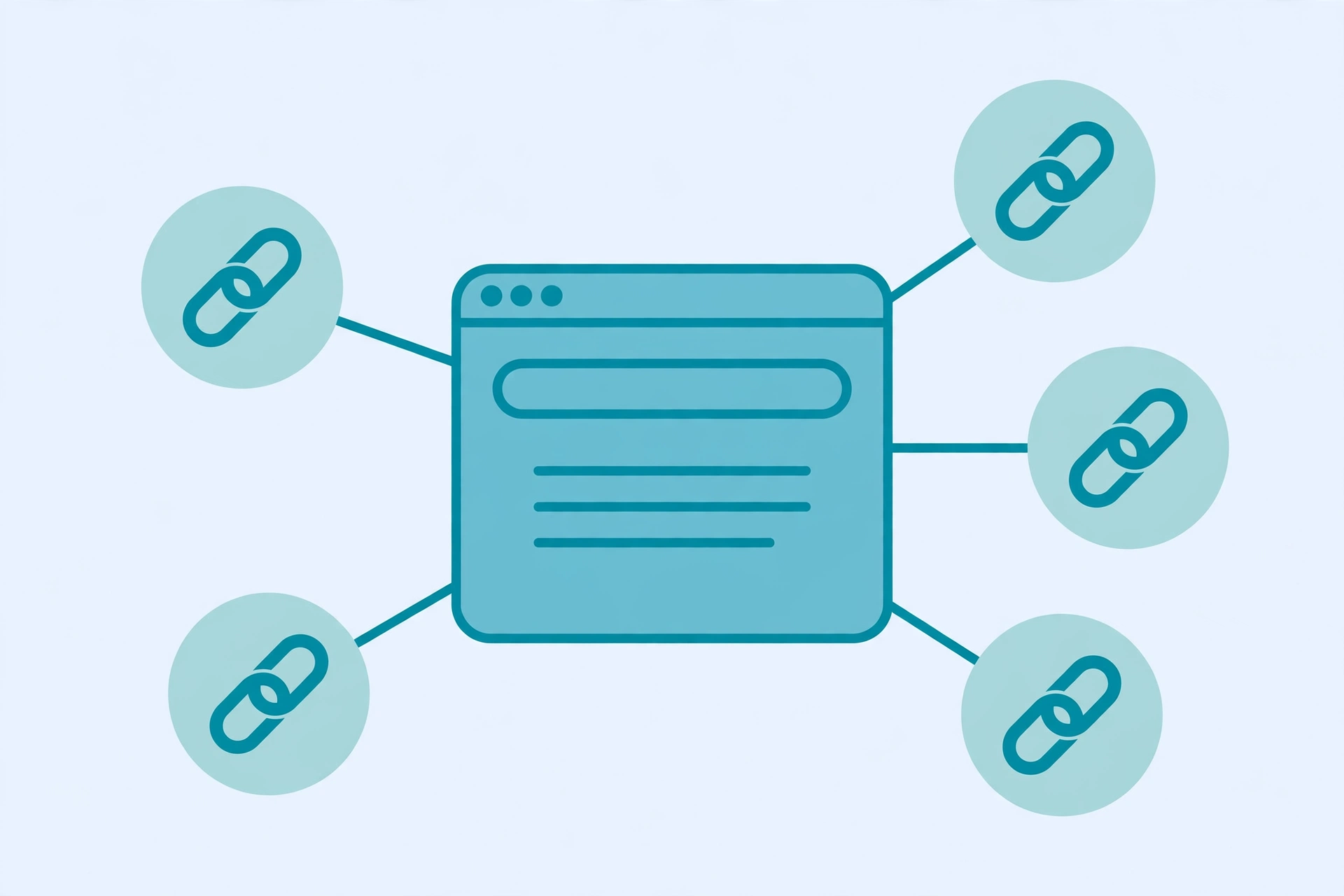
A backlink is a vote of trust from one site to another. When a useful article, a news story, or a resource page links to your page, it tells readers — and search engines — that your page is worth a visit. That does not mean every vote counts equally. A link from a respected site in your own field usually carries more weight than a link from an unrelated, low-quality page. A link inside the main text of an article usually matters more than a link buried in a footer that appears on every page of a site. Relevance, placement, and trust all shape the value. Links are only one part of SEO: good content and pages that match what people search for still matter.
Follow links: the standard editorial link
A “follow” link is the normal kind of link. It has no nofollow, sponsored, or ugc label attached to it. People often call it a “dofollow” link, but there is no dofollow attribute to add. It is simply a plain link. When a site links to you this way, it is saying, in effect, that it trusts your page and is happy to point readers to it. These links can pass ranking value, which is why they are the most wanted type in most campaigns. The best follow links are editorial. That means a real person chose to link to your page because it added something useful to their own article — a clear explanation, original data, a helpful tool, or a strong example. Editorial links are hard to fake at scale, and that is exactly why search engines value them. Judge the site first, though: a follow link from a spammy directory or a private blog network can do more harm than good.

Nofollow links: useful, but not a ranking vote
A nofollow link carries the label rel=”nofollow” in its code. Site owners use it when they link to a page but do not want to imply endorsement or pass ranking credit. Common examples include links in blog comments and links to pages a site owner cannot vouch for. Google changed how it treats this label in 2019. Before that, nofollow links were largely ignored for ranking. Since then, Google has treated nofollow — along with sponsored and ugc — as a hint rather than a strict instruction. That means Google may consider a nofollow link in some cases, but you should not count on it passing the same value as a plain editorial link. That does not make them worthless: a nofollow link on a busy, relevant page can still send real visitors and lead to future editorial links. Many large news sites apply nofollow by default.
Sponsored links: paid placements, marked honestly
A sponsored link carries the label rel=”sponsored”. Google asks site owners to use it for links that are advertisements or paid placements, including paid product reviews and paid posts where a link is part of the deal. Marking a paid link as sponsored is not a punishment. It is honesty about the relationship. The problem comes when a paid link is left unmarked so that it looks like a free editorial recommendation. Google treats unmarked paid links that pass ranking value as a link scheme, and that can lead to a manual action against a site. For your own link building, the lesson is simple. Earn editorial links, and if money changes hands for a placement, make sure the link is marked sponsored. A sponsored link can still bring traffic and exposure, but do not expect it to work like an editorial vote.
UGC links: links your visitors create
UGC stands for user-generated content. The label rel=”ugc” is for links inside content that visitors, rather than the site owner, added — for example, blog comments and forum posts. Site owners use ugc to show that they did not personally choose or endorse every link their users post. It is a practical way to keep a comments section open without vouching for every destination. For your own site, UGC links are rarely the backbone of a plan. They can bring visitors and start conversations, but a comment link on an unrelated forum is not a substitute for a relevant editorial link. Focus your effort where a real editor has chosen your page on merit.
At a glance: the four link labels
| Link label | What it means | Typical ranking value |
|---|---|---|
| Follow (no label) | A normal editorial link, given freely | Can pass ranking value |
| Nofollow | The linking site does not endorse the page | Treated as a hint; mainly traffic and exposure |
| Sponsored | A paid placement or advert | Treated as a hint; not an editorial vote |
| UGC | Added by a user, for example in a comment or forum | Treated as a hint; not an editorial vote |
These labels describe the relationship between the linking site and your page, not the quality of the site itself. A follow link from a poor site is still a poor link, and a nofollow link from a respected news site can still be worth having.
Other ways backlinks are grouped
Beyond the four labels, SEOs also group backlinks by how they were earned. Editorial links come from articles and news stories where someone chose your page because it helped their readers. These are the strongest type for most sites. Guest post links come from articles you write for another site. They work well when the site is relevant and the article is genuinely useful, and lose value when the same thin article is placed on many low-quality sites just for the link. Resource page links come from pages that list the best tools or guides on a topic. If your page is truly useful, a polite, personal request can earn a lasting link. Directory links come from business listings; a handful of relevant listings is enough. Image links happen when another site uses your chart or infographic and links back to you as the source.
What the research says
Links still matter, even though Google has said they are no longer one of its top three ranking factors. Ahrefs studied the top 20 results for one million high-volume US keywords in January 2025. Referring domains — the number of different websites linking to a page — had a correlation of 0.255 with ranking position, and total backlinks had a correlation of 0.248. That is a modest link, not proof that one extra link causes a higher ranking, but it confirms that pages at the top tend to have stronger link profiles. An older study by Backlinko looked at 11.8 million Google search results and found that the page in first place had about 3.8 times more backlinks than the pages in positions two to ten. Treat that as a rough guide, not a target. Ahrefs also found that 10.6% of backlinks to the top 110,000 sites are nofollow, with 0.44% using ugc and 0.01% using sponsored. A natural profile is mostly follow links, with a sensible minority of the other labels mixed in. Finally, Ahrefs estimated in 2023 that 96.55% of pages get no organic traffic from Google at all. Most pages have few or no links, so even a small number of relevant editorial links can put a page ahead of most of the web. Sources: Google Search Central Blog (2019); Ahrefs January 2025 study of one million keywords; Ahrefs SEO statistics for the top 110,000 sites; Backlinko study of 11.8 million results; Ahrefs 2023 study of around 14 billion pages.
Which types are worth earning?
Start with editorial follow links from sites that are relevant to your topic and trusted by their readers. That is the core of a healthy link profile, and it is the approach behind our manual link building services, where outreach is done by hand to real sites, with no private blog networks. Then accept a natural mix around that core. A few nofollow links from busy, relevant pages, a citation on a respected directory, or a mention in a community discussion all make a profile look normal, because real sites earn a mix like that over time. Judge each chance by three questions. Is the linking site relevant to my topic? Would I be proud to show this link to a customer? Would the link still be useful if search engines ignored it? If the answer to all three is yes, the link is worth earning, whatever label it carries. Avoid links that exist only to game search engines: private blog networks, large-scale link exchanges, automated comment spam, and paid links left unmarked. These can bring a short-term lift, but they risk a manual action, and cleaning up a bad profile takes far longer than building a good one.
How to check the links you already have
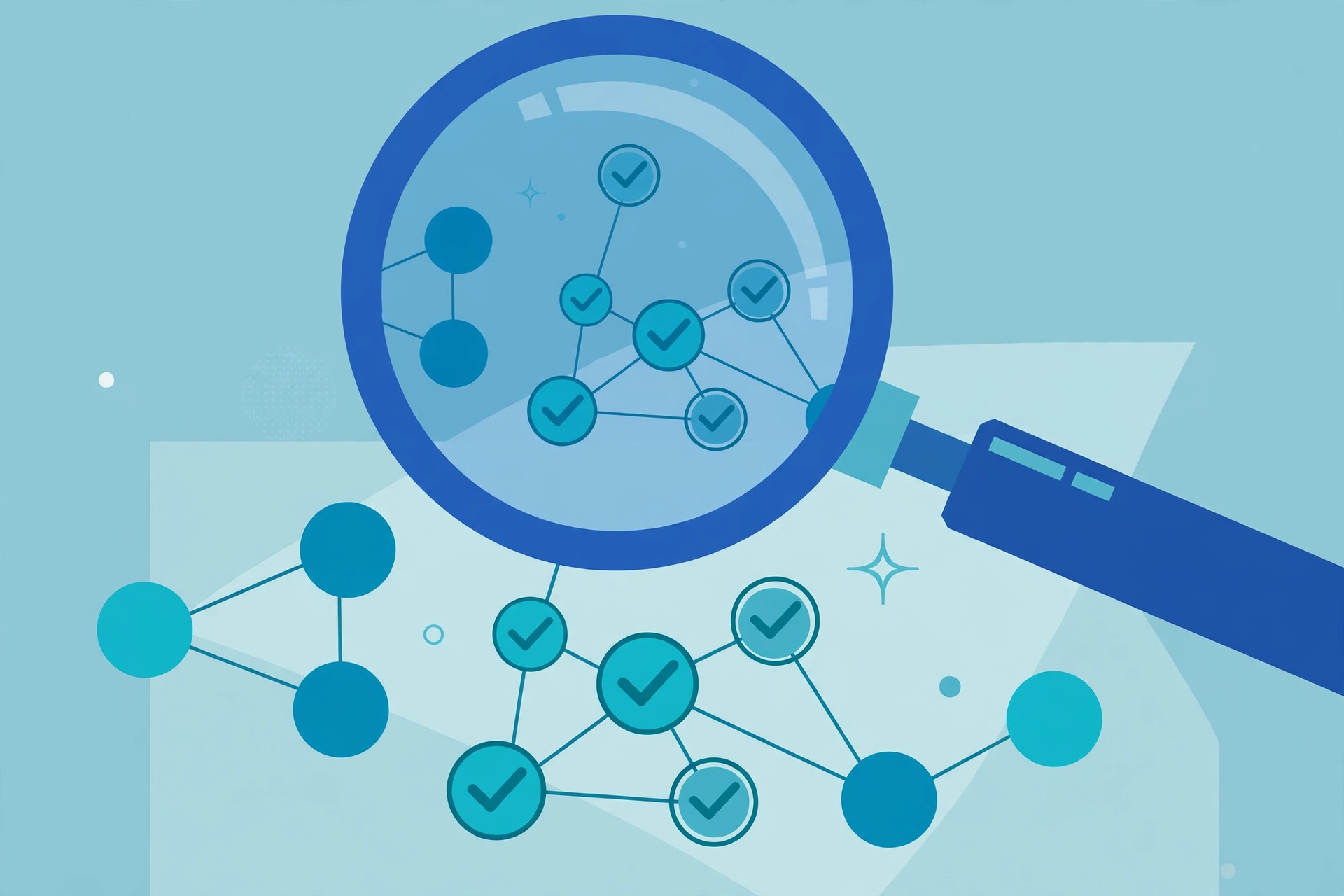
Pick a free backlink checker, enter your domain, and look at three things: the mix of follow and nofollow links, the relevance of the linking sites, and any sudden spikes or strange sites you do not recognise. A paid tool such as Ahrefs, Semrush, or Moz shows the label and linking page for each link. Look for patterns, not single links, and re-check every few months, since links break and pages disappear.
Frequently asked questions
What is the difference between follow and nofollow backlinks?
A follow link is a normal link with no special label, and it can pass ranking value. A nofollow link carries the rel=”nofollow” label, which tells search engines that the linking site does not endorse the page. Google now treats nofollow as a hint, not a strict rule, but a follow link from a trusted, relevant site is still the stronger signal in most cases.
Do nofollow links help SEO at all?
Yes, in a limited way. A nofollow link can send referral traffic, raise brand awareness, and lead to future editorial links from people who discover your site through it. What it usually does not do is pass the same ranking value as a follow link. Think of nofollow links as useful exposure, not as a direct route to higher rankings.
Are sponsored links bad for my website?
No, as long as they are marked correctly. A sponsored link is simply an honest label for a paid placement. Problems arise only when a paid link is left unmarked to look like a free editorial recommendation. If you pay for a placement, make sure it carries the sponsored label, and judge it on the traffic and exposure it brings rather than on ranking value.
What is a UGC backlink?
A UGC backlink is a link inside user-generated content, such as a blog comment or a forum post, marked with rel=”ugc”. The label shows that a visitor, not the site owner, added the link. These links are common and normal, but they are rarely the main source of ranking value for a site.
Is paying for links a good shortcut to higher rankings?
No. Paying for unmarked links that pass ranking value breaks Google’s rules on link schemes and can lead to a manual action. The safer path is slower but lasting: create pages worth linking to, then reach out by hand to relevant sites. That is how a link profile grows in a way that survives algorithm updates.
How many types of backlinks should my site have?
There is no fixed number to aim for. A healthy profile usually has mostly editorial follow links, plus a natural share of nofollow, sponsored, and UGC links, from a range of different sites. Variety matters more than hitting a percentage. If all your links come from one source or one tactic, that is a sign to broaden your approach.
Final word
The types of backlinks in SEO are simpler than they first look. Follow links are the standard editorial vote. Nofollow, sponsored, and UGC links are honest labels for links that should not be treated as free endorsements. Build for relevance and trust, accept a natural mix, and avoid shortcuts that need hiding. That approach takes longer, but it is the one that keeps working when search engines change the rules.

Abdullah Zulfiqar is Co-founder and Client Success Manager at RankWithLinks, an SEO agency helping businesses grow online. He specializes in client relations and SEO strategy, driving measurable results and maximizing ROI through effective link-building and digital marketing solutions.