
If you run a business, you already know how chaotic customer support can get. Emails pile up, issues get lost, and customers get frustrated. That is exactly why help desk ticketing software exists — and choosing the right one can completely transform how your team handles support.
In this guide, we break down everything you need to know about the best help desk ticketing software in 2026, including what it is, why you need it, and which tools are leading the market right now.
What Is Help Desk Ticketing Software?
Help desk ticketing software is a tool that converts every customer request, complaint, or question into a “ticket.” Each ticket is tracked from the moment it is created until the issue is fully resolved. This gives support teams a structured, organized way to manage customer interactions without anything falling through the cracks.
Instead of sorting through a messy inbox, your team gets a clean dashboard showing every open issue, who is working on it, and how long it has been waiting. The result is faster response times, happier customers, and a more productive support team.
Why Does Your Business Need It?
Without a ticketing system, support is basically chaos. Here is what you gain when you implement the right software:
Better Organization — Every request is logged, categorized, and assigned. Nothing gets lost or ignored.
Faster Response Times — Automation routes tickets to the right agent instantly, cutting down wait times significantly.
Team Accountability — Managers can see who is handling what, how long tickets have been open, and where bottlenecks exist.
Customer Satisfaction — Customers get timely updates and resolutions, which builds loyalty and trust.
Data and Reporting — You get insights into common issues, agent performance, and support trends that help you improve over time.
Scalability — Whether you have 2 support agents or 200, a good ticketing system grows with your business.
Key Features to Look for in Help Desk Ticketing Software
Before picking a tool, make sure it includes these essential features:
Multi-Channel Support — The ability to capture tickets from email, live chat, phone, social media, and web forms all in one place.
Automation and Workflows — Auto-assign tickets, send follow-up emails, and trigger actions based on rules without manual effort.
SLA Management — Set response and resolution time targets so your team knows when a ticket is at risk of breaching a deadline.
Self-Service Knowledge Base — Let customers find answers on their own through FAQs and help articles, reducing ticket volume.
Collaboration Tools — Allow agents to add internal notes, tag teammates, and work together on complex issues.
Integrations — Connect with CRM tools, Slack, WhatsApp, Shopify, and other software your business already uses.
Reporting and Analytics — Track metrics like first response time, resolution time, ticket volume, and customer satisfaction scores.
Mobile Access — Support your customers even when your team is on the go.
The Best Help Desk Ticketing Software in 2026
Here is a detailed look at the top platforms dominating the market right now.If you’re unsure which Help desk software to choose, SaaS Adviser can help you find the best fit for your firm.
1. Zendesk — Best Overall Help Desk Software
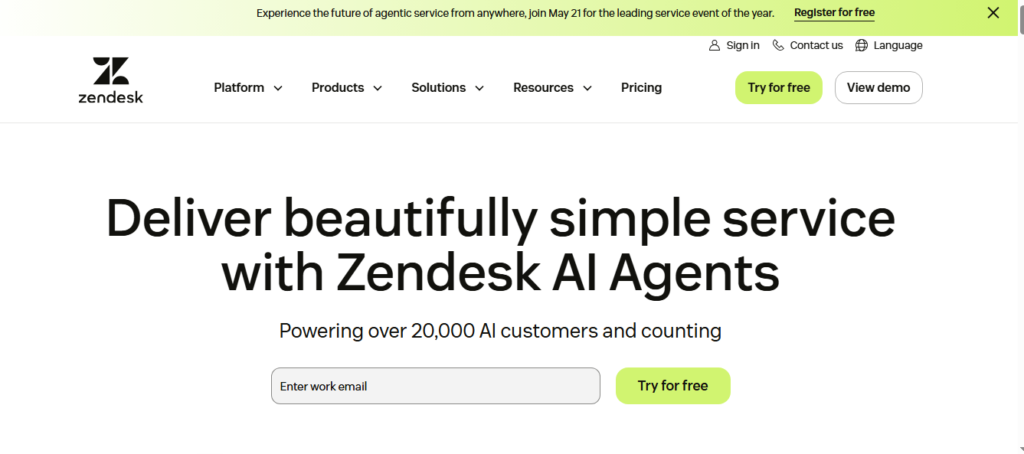
Zendesk is one of the most well-known names in customer support, and for good reason. It offers an incredibly powerful and feature-rich platform suitable for businesses of all sizes.
What makes it great: Zendesk supports tickets from email, chat, phone, social media, and more — all in a single unified inbox. Its automation capabilities are top-tier, allowing teams to build complex workflows without writing a single line of code. The reporting dashboard gives managers deep visibility into team performance and customer trends.
Who it is best for: Mid-size to large businesses that need a scalable, enterprise-grade solution.
Pricing: Starts around $19 per agent per month, with advanced plans going higher.
Drawbacks: Can feel overwhelming for small businesses due to its complexity. Pricing can add up quickly as you scale.
2. Freshdesk — Best Free Plan and Value for Money
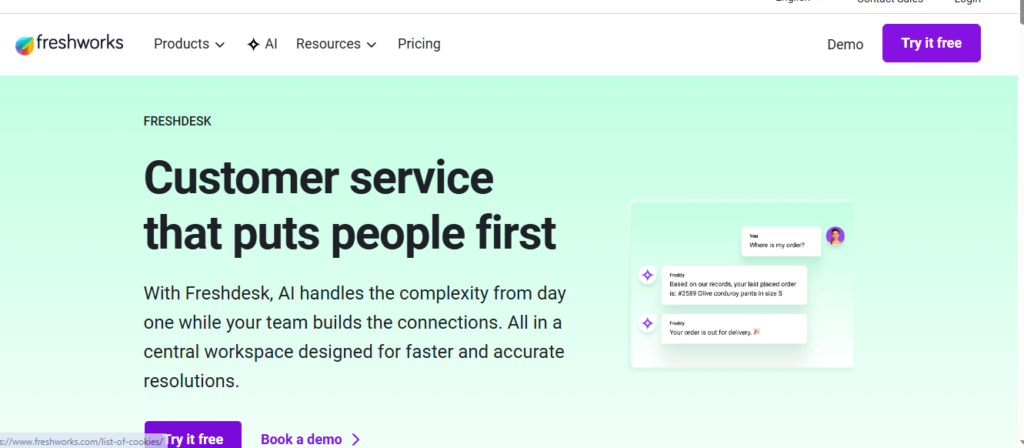
Freshdesk by Freshworks is one of the most popular alternatives to Zendesk, especially for small and growing businesses. It offers an incredibly generous free plan and a clean, intuitive interface.
What makes it great: Freshdesk includes all the core ticketing features — email support, automation, knowledge base, and reporting — even on its free tier. Its Freddy AI assistant helps with auto-suggestions and ticket summarization, making agents faster and smarter.
Who it is best for: Startups, small businesses, and teams that want powerful features without a big budget.
Pricing: Free plan available for unlimited agents. Paid plans start at around $15 per agent per month.
Drawbacks: Advanced automation and analytics are locked behind higher-tier plans.
3. HubSpot Service Hub — Best for CRM Integration
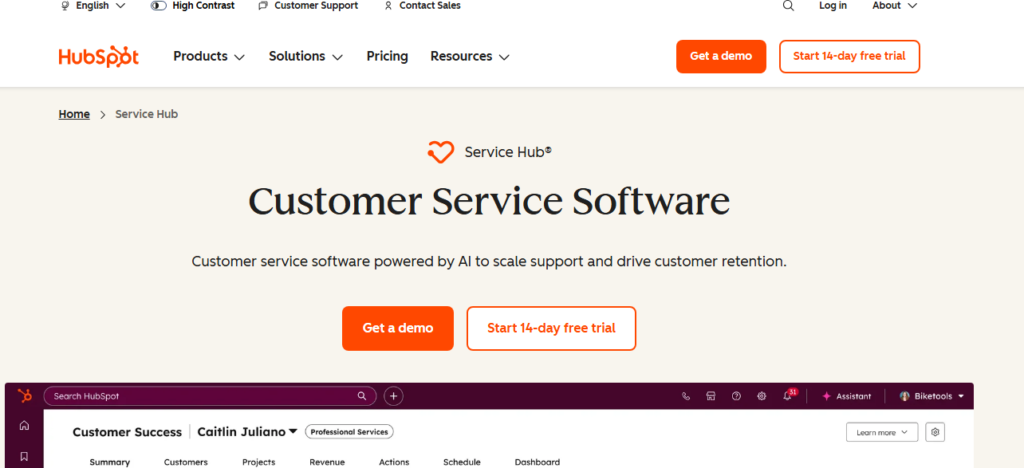
If your business already uses HubSpot for sales and marketing, HubSpot Service Hub is the natural choice for support. It brings your entire customer journey into one platform.
What makes it great: Because Service Hub is deeply integrated with HubSpot CRM, every support interaction is tied to a complete customer history. Agents can see past purchases, email conversations, and deal status right alongside the support ticket. This leads to much more personalized support experiences.
Who it is best for: Businesses already in the HubSpot ecosystem that want a unified customer platform.
Pricing: Free tools available. Paid plans start at around $15 per month.
Drawbacks: Full power requires a HubSpot CRM subscription, which can get expensive.
4. Zoho Desk — Best for Customization
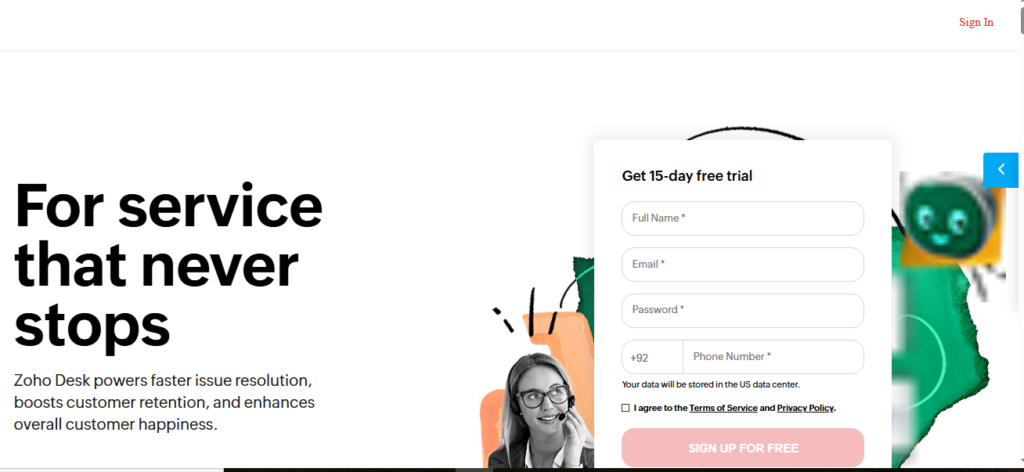
Zoho Desk is an incredibly flexible help desk platform that lets you customize almost every aspect of your support operation.
What makes it great: Zoho Desk offers context-aware ticketing, meaning agents always see relevant customer information pulled from Zoho CRM. Its AI assistant, Zia, can suggest knowledge base articles, detect ticket sentiment, and even predict ticket tags to speed up resolution. The platform also includes a fully customizable customer portal.
Who it is best for: Businesses that want deep customization and are already using Zoho products.
Pricing: Free plan for up to 3 agents. Paid plans start at around $14 per agent per month.
Drawbacks: The interface can feel complex to new users at first.
5. Intercom — Best for Conversational Support
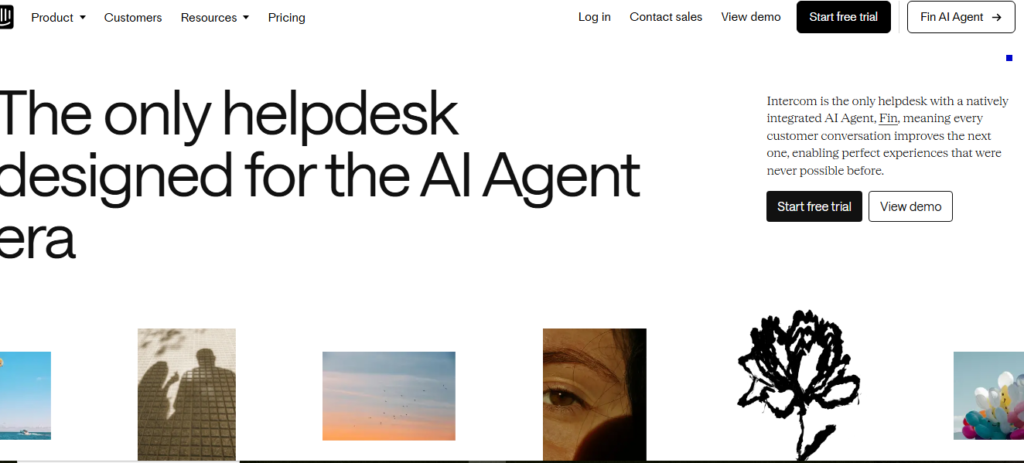
Intercom takes a different approach by focusing on real-time, conversational customer support rather than traditional ticket-based systems.
What makes it great: Intercom is built around live chat and messaging, making it ideal for businesses that prioritize speed and instant responses. Its AI-powered chatbot, Fin, can resolve a large percentage of customer queries automatically without involving a human agent. It also supports proactive messaging — reaching out to customers before they even submit a ticket.
Who it is best for: SaaS companies, tech startups, and businesses where fast, chat-first support is a priority.
Pricing: Starts at around $39 per month. Can scale significantly for larger teams.
Drawbacks: More expensive than traditional ticketing tools. Not ideal for high-volume, email-heavy support teams.
6. Jira Service Management — Best for IT Teams
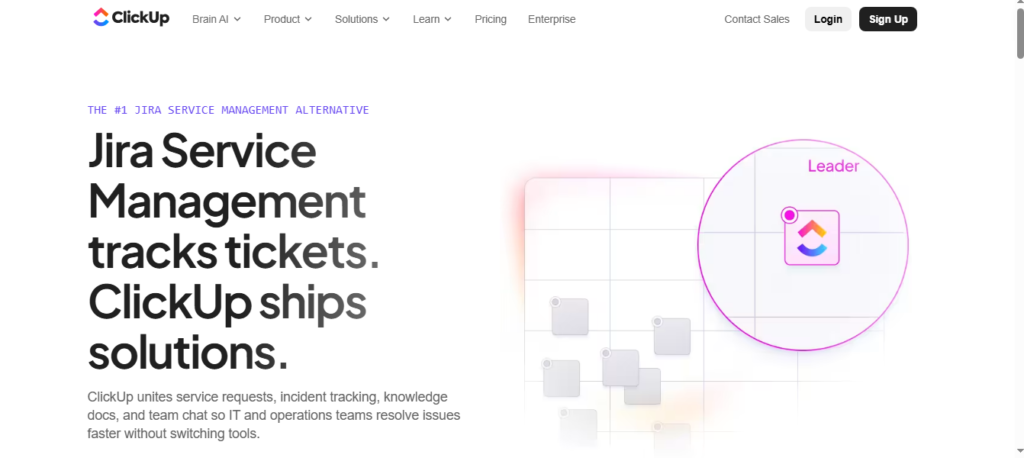
Jira Service Management, built by Atlassian, is the go-to help desk for IT teams and internal support operations.
What makes it great: Designed specifically for IT service management (ITSM), Jira Service Management includes incident management, change management, problem tracking, and asset management right out of the box. It integrates seamlessly with other Atlassian products like Confluence and Jira Software, making it a natural fit for development and DevOps teams.
Who it is best for: IT departments, DevOps teams, and businesses that follow ITIL frameworks.
Pricing: Free plan for up to 3 agents. Paid plans start at around $17.65 per agent per month.
Drawbacks: Overkill for customer-facing support teams. Not as user-friendly for non-technical staff.
7. Help Scout — Best for Small Teams and Simple Workflows
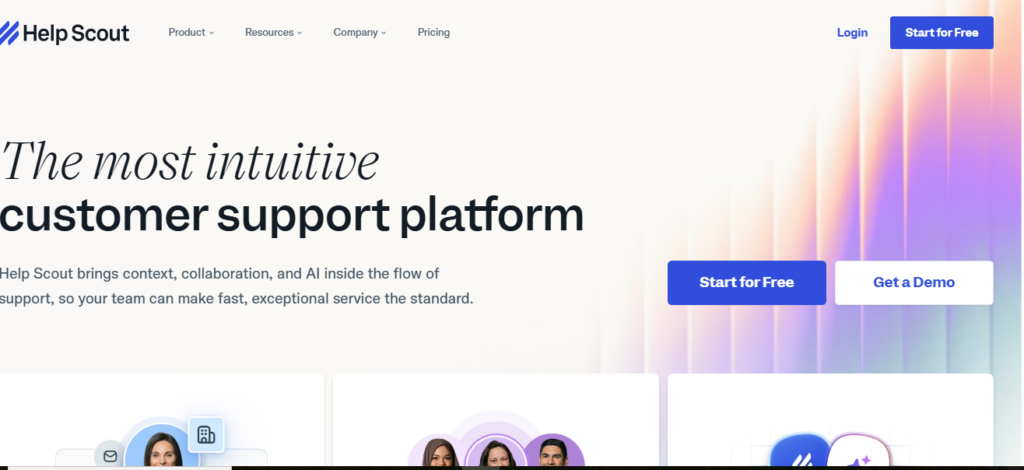
Help Scout is a lightweight, beautifully designed help desk tool built for teams that want simplicity without sacrificing quality.
What makes it great: Help Scout looks and feels like a regular email inbox, which means your team needs almost no training to get started. It includes shared inboxes, a knowledge base builder, live chat, and basic reporting. The customer experience is also excellent — customers get clean, professional email responses without ever seeing “ticket number” language.
Who it is best for: Small businesses, nonprofits, and teams that want a simple, human-feeling support tool.
Pricing: Starts at around $22 per user per month.
Drawbacks: Limited automation and reporting compared to enterprise tools.
8. ServiceNow — Best for Enterprise and Large Organizations
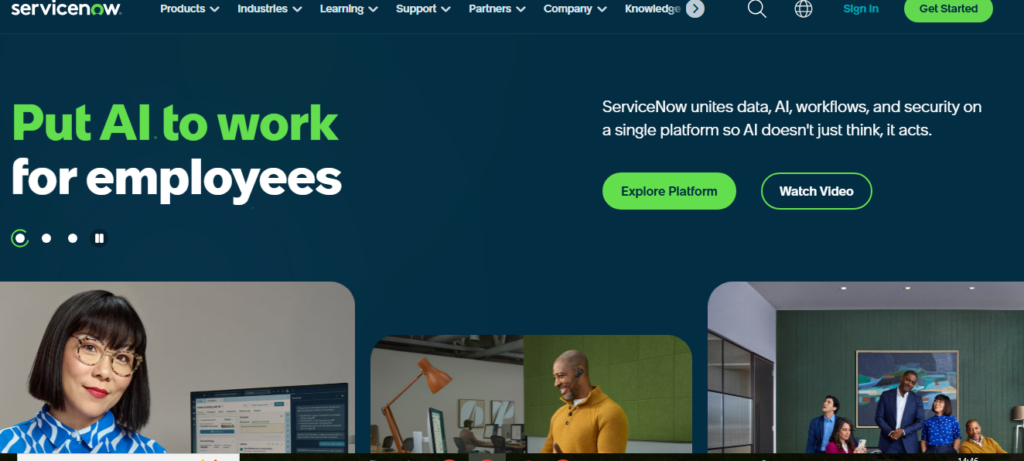
ServiceNow is the enterprise-grade king of IT service management and customer support operations at scale.
What makes it great: ServiceNow is an end-to-end platform that handles everything from customer support tickets to IT workflows, HR requests, and operations management. Its AI and machine learning capabilities are industry-leading, with predictive analytics, intelligent routing, and automated resolution flows.
Who it is best for: Large enterprises and corporations with complex support operations.
Pricing: Custom pricing — typically requires a significant investment.
Drawbacks: Complex to set up, requires dedicated IT resources, and expensive for smaller businesses
Comparison Table: Top Help Desk Ticketing Software at a Glance
| Software | Best For | Free Plan | Starting Price |
|---|---|---|---|
| Zendesk | Overall best | No | ~$19/agent/mo |
| Freshdesk | Value and free plan | Yes | ~$15/agent/mo |
| HubSpot Service Hub | CRM integration | Yes | ~$15/mo |
| Zoho Desk | Customization | Yes (3 agents) | ~$14/agent/mo |
| Intercom | Conversational support | No | ~$39/mo |
| Jira Service Management | IT teams | Yes (3 agents) | ~$17.65/agent/mo |
| Help Scout | Small teams | No | ~$22/user/mo |
| ServiceNow | Enterprises | No | Custom |
How to Choose the Right Help Desk Ticketing Software for Your Business
With so many great options, picking the right one comes down to your specific situation. Ask yourself these questions:
How big is your team? Small teams benefit from simple tools like Help Scout or Freshdesk. Larger teams need the scalability of Zendesk or ServiceNow.
What channels do your customers use? If most requests come through email, almost any tool works. If you need social media, live chat, and phone support, make sure the tool handles them all.
What is your budget? Freshdesk and Zoho Desk offer excellent free plans. If budget is tight, start there and upgrade as you grow.
Do you already use a CRM? If you are in the HubSpot or Zoho ecosystem, their native help desk tools offer unmatched integration benefits.
Is this for internal IT support or customer support? IT teams should look at Jira Service Management or ServiceNow. Customer-facing teams have more options.
How tech-savvy is your team? Some tools like Help Scout are plug-and-play. Others like ServiceNow require dedicated setup and administration.
Frequently Asked Questions
What is the most popular help desk ticketing software? Zendesk and Freshdesk are consistently ranked among the most popular options globally due to their feature sets, reliability, and large user communities.
Is there a free help desk ticketing system? Yes. Freshdesk, Zoho Desk, HubSpot Service Hub, and Jira Service Management all offer free plans with solid core features.
What is the difference between help desk software and CRM? A CRM manages the entire customer relationship, including sales and marketing. Help desk software focuses specifically on support requests and issue resolution. Many tools now combine both.
Can small businesses use help desk ticketing software? Absolutely. Tools like Freshdesk, Help Scout, and Zoho Desk are designed with small businesses in mind and are affordable or even free to start.
What is SLA in help desk software? SLA stands for Service Level Agreement. In ticketing software, it defines how quickly your team must respond to or resolve tickets. The software tracks these deadlines and alerts agents when a ticket is close to breaching.
Final Verdict: What Is the Best Help Desk Ticketing Software?
There is no single answer that works for everyone, but here is a quick summary to help you decide:
If you want the best overall solution, go with Zendesk. It is powerful, scalable, and trusted by thousands of businesses worldwide.
If you want the best value, especially for a small team or startup, Freshdesk is hard to beat — especially with its free plan.
If your team is IT-focused, Jira Service Management is the clear winner.
If you want conversational, chat-first support, Intercom is built exactly for that.
If you are a small business that wants something simple and human, Help Scout is a joy to use.
The best way to decide is to take advantage of the free trials and free plans most of these tools offer. Test them with your actual team, see what fits your workflow, and scale from there.

Usman Hakim is an SEO specialist at RankWithLinks, focusing on link building and organic growth. He helps brands improve search rankings through white-hat strategies, including guest posting and authority backlinks.