Learning how to get backlinks for a new Shopify store without guest posting is one of the quickest ways to help a new shop get found on Google. A brand-new store starts with no authority, no history, and often no traffic. Guest posting can help, but it is slow: finding sites, pitching editors, and writing a full post for someone else’s blog can take weeks for a single link.
But guest posting is only one way to earn links. Your suppliers, customers, journalists, and your own products can all bring you links, often with far less effort. This guide walks through each method, step by step.
Why backlinks matter for a new Shopify store
A backlink is a link from another website to yours. Google treats these links as votes of confidence: a link from a trusted site signals your store is real and worth showing shoppers. For a new store with no history, those signals matter even more.
The numbers back this up. A Backlinko study of 11.8 million search results found that Google’s top result has, on average, 3.8 times more backlinks than the pages in positions two to ten. And organic search is where the money is: 43% of all ecommerce traffic comes from organic search, according to Reboot Online, while Omnisend reports that retail and ecommerce businesses earn 44.6% of their revenue from organic search. Store Leads counted 2.86 million live Shopify storefronts worldwide in July 2026, so links are one of the clearest ways to stand out.
| What the numbers say | Figure | Source |
|---|---|---|
| Google’s number one result vs positions 2–10 | 3.8 times more | Backlinko |
| Ecommerce traffic from organic search | 43% | Reboot Online |
| Retail/ecommerce revenue from organic search | 44.6% | Omnisend |
| Live Shopify stores, July 2026 | 2.86 million | Store Leads |
Start with links you already own
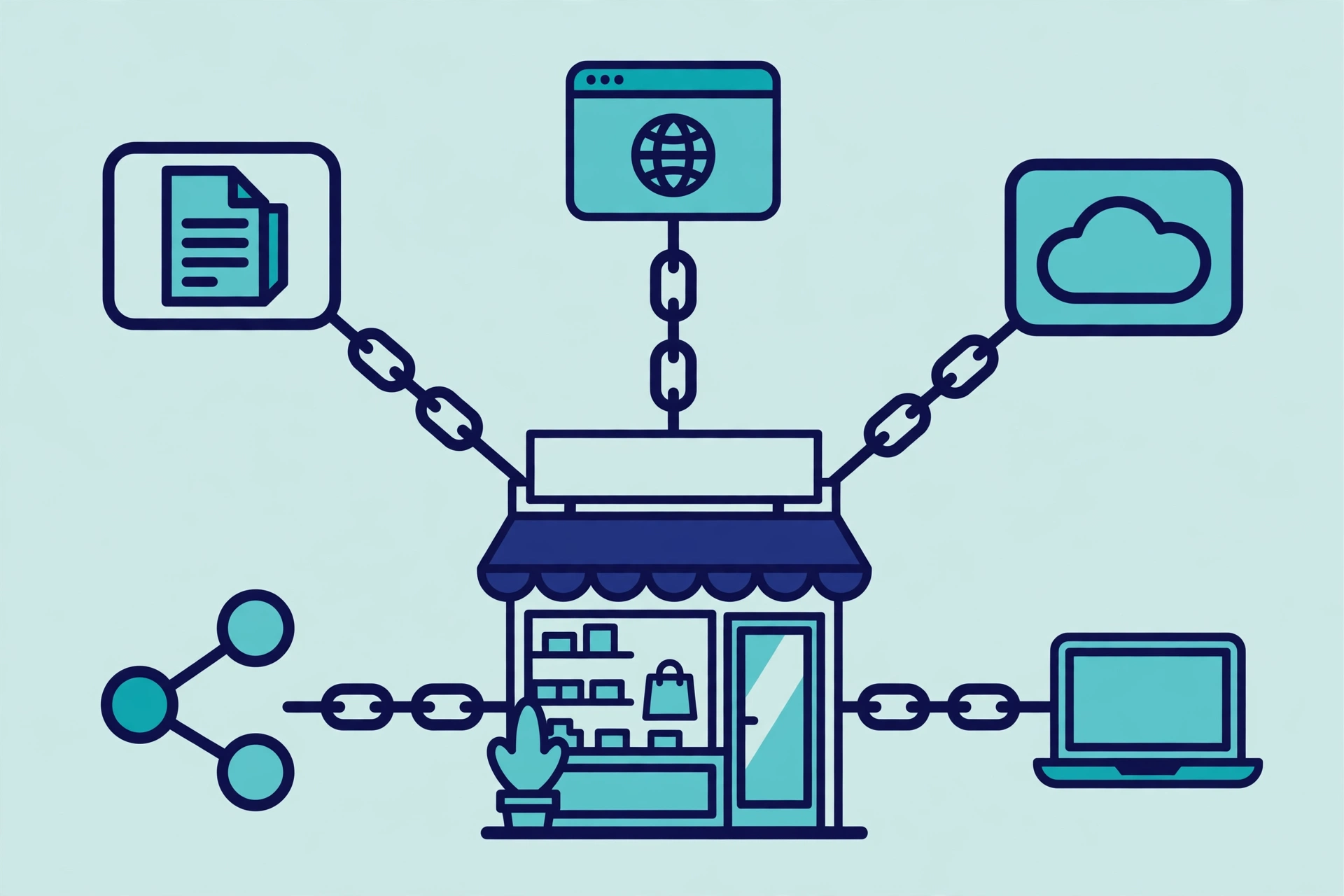
Before you pitch anyone, claim the links that are already yours by right — the easiest links a new store will ever get.
First, contact your suppliers and the brands you stock. Most have a “where to buy” or stockist page and are happy to list genuine retailers. Send a short email introducing your store and asking to be added as an official stockist. If you make your own products, ask your material and packaging suppliers whether they list their customers.
Next, set up your business profiles. A Google Business Profile, Bing Places, Yelp, and Trustpilot listing all give you a real, trusted link. Industry associations and your local chamber of commerce often list members with a link too.
Finally, look for unlinked brand mentions: search Google for your store name in quotes. If a blog, forum, or news page mentions you without linking, send a polite note thanking them and asking them to link your store name. These requests often succeed, since the site already rates you worth mentioning.
Get listed where shoppers already look
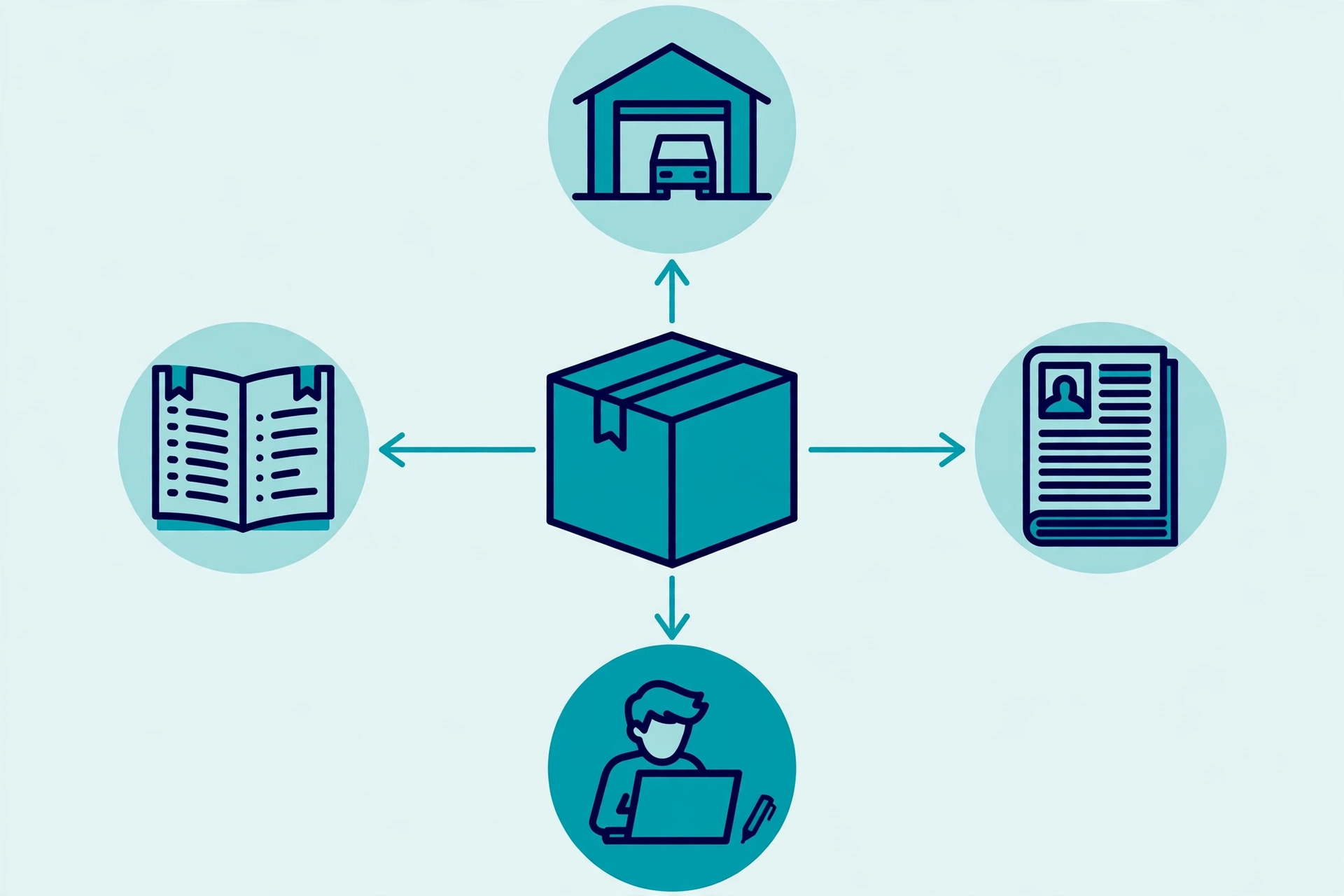
Shoppers do not only find products on Google. They read gift guides, “best of” lists, and product roundups. Getting your product into those lists earns you both a link and a sale.
Start by finding roundups in your niche. Search for phrases like “best [your product] 2026” and “[your product] gift guide”. Make a list of 20 to 30 sites, then check each is a real site with real readers.
Pitch the product, not the link. A short email works best: say what your product is, why readers would like it, what makes it different, and offer a sample or photos. Keep yours under 150 words — bloggers and journalists get dozens of pitches a day.
Pitch seasonal gift guides early: editors build Christmas and Mother’s Day guides weeks ahead.
Earn links with digital PR and useful content
Digital PR means earning press and blog coverage for something worth covering. For a small store, it can be very practical.
One reliable route is answering journalist requests. Services such as Connectively (formerly HARO) and Qwoted send daily journalist requests for expert comments. As a shop owner, you can answer questions about your niche or products, and if your answer is used, you usually get a link to your store.
Original content also earns links on its own. A clear buying guide, a comparison of products in your niche, or a simple free tool — a size guide, a gift finder quiz, a delivery cost calculator — gives other sites a reason to link to you. Even a small survey of your first customers can work: bloggers love to quote stats like “we asked 100 buyers what they look for in [product]”.
Watch for newsworthy moments too: a launch or charity partnership can earn several links from one short press note.

Turn customers and partners into links
Your existing relationships can produce links without cold pitching.
Write honest testimonials for the tools and services you use — your email platform, packaging supplier, or accounting app. Many companies publish testimonials on their own sites, often with a link back to your store.
If you work with creators, send products to small bloggers and video makers. Do not demand a link in return for a free product; that can breach platform rules and Google’s guidelines. Creators who genuinely like a product usually link to it on their own.
An affiliate programme is another steady source, since affiliates link to your products to earn commission.
A simple 30-day plan
Put it together like this:
- Week 1: Email suppliers and brands for stockist listings. Set up business profiles. Contact unlinked mentions.
- Week 2: List 20 to 30 roundups and gift guides. Send short product pitches, offering samples or photos.
- Week 3: Publish one useful piece of content, such as a buying guide or survey. Answer two or three journalist requests.
- Week 4: Send testimonials to tools you use. Follow up once on unanswered pitches, then stop. Track every link in a simple sheet.
What to avoid
Not every link helps. Links from link farms, private blog networks (PBNs), and automated spam can hurt your store: Google may ignore those links or penalise a site that relies on them. A handful of relevant links from real sites will always beat dozens of cheap ones.
The same applies to shortcuts. If a service promises hundreds of links overnight, that is a warning sign, not a bargain. Good links take some effort, but they keep working long after a cheap link has been discounted.
For store owners who want outside help, Rank With Links, a UK-registered agency led by Abdullah Zulfiqar, offers ecommerce link building built on manual outreach, with zero PBNs.
Frequently asked questions
How long does it take for backlinks to help a new Shopify store rank?
There is no fixed timeline, and anyone who promises one is guessing. Most new stores see movement within a few weeks to a few months after earning their first good links, because Google first has to find, crawl, and weigh each link. New sites take longer than established ones, since they have no history to build on. Judge progress month by month, not week by week.
Do I need guest posting at all?
No. Guest posting is one tactic, not a requirement. The methods in this guide — supplier listings, roundups, digital PR, testimonials, and affiliate links — can build a strong profile on their own, and each link also brings shoppers or press. Guest posting still has a place if a site is genuinely relevant with real readers. If you dislike pitching editors, skip it and use the methods above instead.
How many backlinks does a new Shopify store need?
There is no magic number, and chasing one usually leads to low-quality links. What matters is relevance and trust: a few links from sites in your niche, or from well-known publications, will do more than hundreds from unrelated directories. Aim for a small number of relevant new links each month, rather than a sudden spike. Check what top-ranking stores for your keywords have, then close that gap steadily.
Should I buy backlinks to speed things up?
No. Paying for links meant to manipulate rankings breaks Google’s spam policies, and a store caught doing it can lose rankings or receive a manual action that takes months to recover from. Paid links also tend to come from the weakest sites, so the money rarely buys lasting value. Spend that budget on products, samples for creators, or genuine PR instead — those earn links that stay.
Do nofollow links help a new store?
Yes, in two ways. First, a nofollow link from a real site still sends visitors, who can buy, share, and link to you in turn. Second, a natural profile includes a mix of link types, so nofollow links from directories and press make it look normal, not engineered. Google treats nofollow as a hint, so it may still count some value. Never turn down a genuine nofollow link from a good site.

Abdullah Zulfiqar is Co-founder and Client Success Manager at RankWithLinks, an SEO agency helping businesses grow online. He specializes in client relations and SEO strategy, driving measurable results and maximizing ROI through effective link-building and digital marketing solutions.