For many medical practices, managing marketing feels like running a triage unit. Between patient care, administrative burdens, and compliance, there’s little time to crack the code of search engine visibility. Many doctors treat Google Ads (PPC) and Search Engine Optimization (SEO) as two separate, isolated strategies.
This is a mistake. The most successful medical practices don’t just “do” ads or “do” SEO—they create a Google Ads for Doctors SEO Outline. This is an integrated plan where your paid data informs your organic strategy, creating a self-reinforcing loop that dominates the Search Engine Results Page (SERP).
This guide provides the blueprint for that outline, ensuring every dollar you spend on ads accelerates your long-term organic growth.
1.Why You Need a Google Ads for Doctors SEO Outline
The modern patient’s journey begins on Google. When a patient needs a specialist, their search intent usually falls into two categories:
- Transactional Intent (“Book Now”): This patient is in pain or has an urgent need. They are searching for “[Specialist] near me” or “[Procedure] [City].” They are ready to book.
- Informational Intent (“Learn More”): This patient is researching symptoms, potential treatments, or the recovery time for a specific condition.
The Google Ads/SEO Outline bridges this gap. You use Google Ads to immediately capture high-intent, transactional traffic (the “Book Now” patients). Simultaneously, you analyze that paid traffic data to inform the long-term SEO content that will capture the research-focused patients (the “Learn More” patients). An outline is your required map to ensure these two efforts are aligned, preventing wasted budget and maximized patient acquisition.
2. Phase 1: High-Intent Keyword Research (The Data Foundation)
You cannot build an effective google ads for doctors seo outline without understanding the exact vocabulary your patients use. This phase is about moving beyond generic terms and using your Google Ads data as your compass.
Stop Guessing, Start Mining
If you have an existing Google Ads account, the single most valuable asset you possess is the Search Terms Report. While the Keywords tab shows you what you bid on, the Search Terms report shows you the actual phrases patients typed to trigger your ad. This data is pure gold for both PPC and SEO.
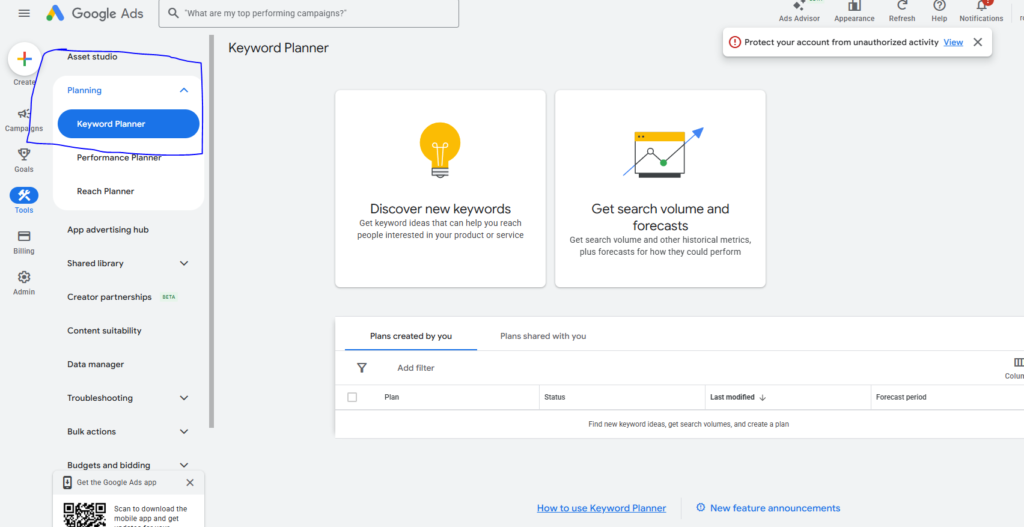
Look for high-converting phrases. If you are an orthopedist and find that the exact phrase “ACL reconstruction surgery recovery time” converts at 8%, you have just identified a cornerstone for your SEO content outline.
Essential Keyword Modifiers for Doctors
When building your outline, ensure your keyword list includes essential modifiers that signal immediate patient need:
- Location Modifiers: Every medical campaign must be localized. Target “cardiologist downtown [City],” not just “cardiologist.”
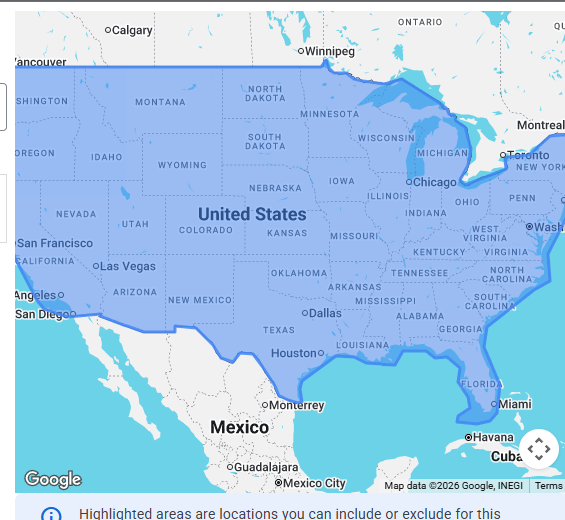
- “Near Me” Modifiers: These are exploding. People search for proximity. “[Treatment] near me” is high-intent.
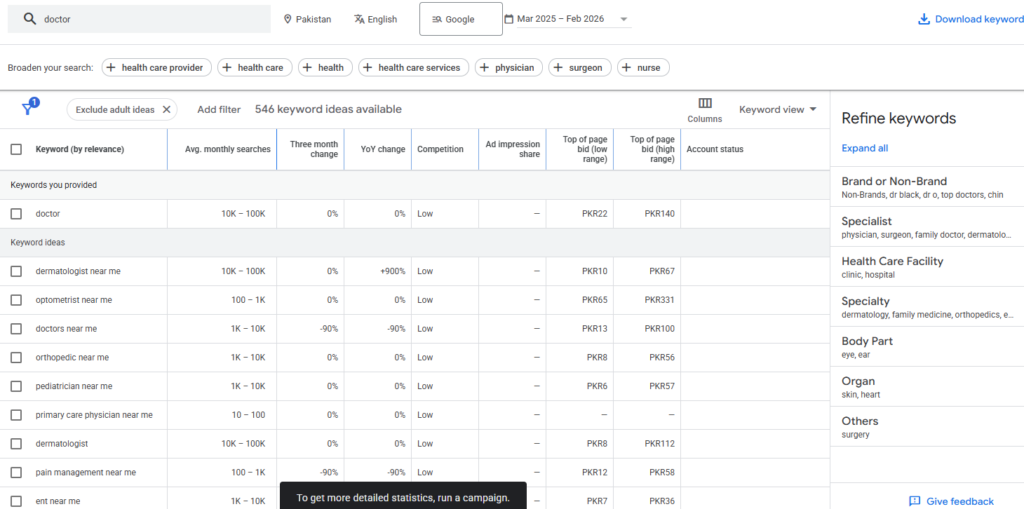
The Outline Tip: Your outline must distinguish between Head Terms (e.g., “Orthopedic Surgeon”) for broad targeting and Long-Tail Terms (e.g., “Non-surgical treatment for knee meniscus tear”) for specific conversion opportunities.
3. Phase 2: Structural Alignment (The Campaign Map)
Your Google Ads account structure and your website’s organic hierarchy should be mirrors of each other. A solid google ads for doctors seo outline requires a “Silo Structure.”
The Silo Structure
Organize your campaigns logically by the different specialties or primary service lines your practice offers. Do not mix them.
- Campaign A: Primary Care
- Ad Group 1: General Checkup
- Ad Group 2: Pediatrics
- Ad Group 3: Flu Shots
- Campaign B: Orthopedics
- Ad Group 1: Knee Pain
- Ad Group 2: Hip Replacement
- Ad Group 3: Sports Medicine
The SEO Parallel: Your website must mirror this. You should have a specific page for yourdomain.com/orthopedics/hip-replacement. By aligning your ads and landing pages this way, you improve your Google Ads Quality Score (saving money) and send clear relevance signals to the organic algorithm.
4. Phase 3: Landing Page Optimization (Where Trust is Built)
A patient clicks your ad; the landing page is the “moment of truth.” Within your google ads for doctors seo outline, the landing page must satisfy Google’s E-E-A-T (Experience, Expertise, Authoritativeness, and Trustworthiness) standards.
Establishing Medical E-E-A-T
Medical content is held to the highest standard on the web. Your landing pages must demonstrate Experience, Expertise, Authoritativeness, and Trustworthiness.
Your SEO outline must demand these elements on every key service page:
- Clear Credentials: Highlight board certifications, years of experience, and where the doctor trained.
- Patient Social Proof: Feature verifiable reviews and case studies (respecting HIPAA regulations).
- Clear, Empathetic Language: Use patient-focused language, not overly technical jargon. Focus on outcomes and patient care.
- HIPAA Compliance: Your booking forms must be securely managed and HIPAA-compliant. This is non-negotiable for trust and legality.
The Technical SEO Components
You cannot neglect the technical foundation. Your pages must:
- Be Mobile-First: Most healthcare searches happen on phones.
- Load Fast: Page speed is a ranking factor (for SEO) and a major component of Google Ads’ assessment of your landing page experience. Slow pages kill conversion.
5. Phase 4: Creative Ad Copy and Metadata (Your Online Front Door)
The SEO outline you are building ensures that your message is consistent from the search query to the final booking form. Your ad creative must be the perfect “hook.”
Headline and Description Strategies
- Keyword Inclusion: Use your primary target keyword in the headline (H1). It instantly confirms relevance.
- Address the Pain Point: Don’t just list a service. Write: “Relieve Knee Pain: Schedule Your Non-Surgical Assessment Today.”
- Unique Value Proposition (UVP): Why should a patient choose you? “Board-Certified Specialists,” “Same-Day Appointments,” or “Accepting Most Major Insurance.”
- Strong Call to Action (CTA): Patients need to be told what to do: “Book Online Now,” “Call for a Consultation,” or “Schedule Your Appointment.”
Utilizing Ad Extensions
Think of ad extensions as extra “real estate” on the SERP. They cost nothing extra and significantly improve CTR:
- Location Extensions: Essential. Show your office address and proximity to the patient.
- Call Extensions: Let patients click to call directly from the ad (critical for mobile).
- Sitelink Extensions: Direct traffic to relevant supplementary pages (e.g., “Meet the Doctors,” “Insurance Accepted,” “Patient Portal”).
6. Phase 5: Tracking, ROI, and the Data Loop
Your google ads for doctors seo outline is useless if you can’t measure success. :This phase is about shifting your mindset from “we are running ads” to “we are generating patients.”
Setting Up Conversion Tracking
You must track meaningful actions, not just clicks. In healthcare, this means tracking:
- Form fills (e.g., “Request an Appointment” forms).
- Direct phone calls from the website and the ads (using call tracking numbers).
- Specific interactions, like a user clicking the “Get Directions” button.
Creating the Feedback Loop
This is the single most important step in the entire outline. Your Google Ads and SEO data should talk to each other.
- PPC to SEO: You have a specific ad about “herniated disc symptoms” that has a incredibly high conversion rate. Action: Turn that high-converting headline into an SEO-optimized, 1,200-word blog post.
- SEO to PPC: You have an organic blog post about “types of skin cancer” that gets thousands of organic visitors a month. Action: Create a remarketing audience based on visitors to that page and show them highly relevant ads (e.g., “Schedule a full-body skin check with our dermatologists”).
Conclusion: The Long Game for Medical Marketing
The most significant benefit of an integrated Google Ads for Doctors SEO Outline is sustainability. Google Ads provides immediate visibility, but SEO is an appreciative asset. By using the data from your paid campaigns to build a resilient, content-rich organic presence, you are creating a system that reduces your patient acquisition costs over time.
Don’t run ads in a vacuum. Build the outline, bridge the gap, and build a search strategy as sophisticated as your medical practice.

Abdullah Zulfiqar is Co-founder and Client Success Manager at RankWithLinks, an SEO agency helping businesses grow online. He specializes in client relations and SEO strategy, driving measurable results and maximizing ROI through effective link-building and digital marketing solutions.